Historic districts of Singapore
Chinatown, Little India, Kampong Glam, and Boat Quay — four neighbourhoods that show how Singapore's cultures still share the same city.
Kampong Glam, Singapore
- Country
- 🇸🇬 Singapore
- Region
- Asia
- Destination type
- Cultural
- Best months
- All year round
Introduction
Singapore is one of our favorite travel destinations. We spent some days in Singapore during our first tour of the Malay Peninsula in 2023 and we liked it so much that we made it part of our latest Southeast Asia journey in 2026.
The small country went to great lengths in the past 50 years to create inclusive communities. The population is a mix of chinese, malays, indians and other ethnicities. Newer neighborhoods have very strict rules and quotas for each ethnicity to fight against segregation.
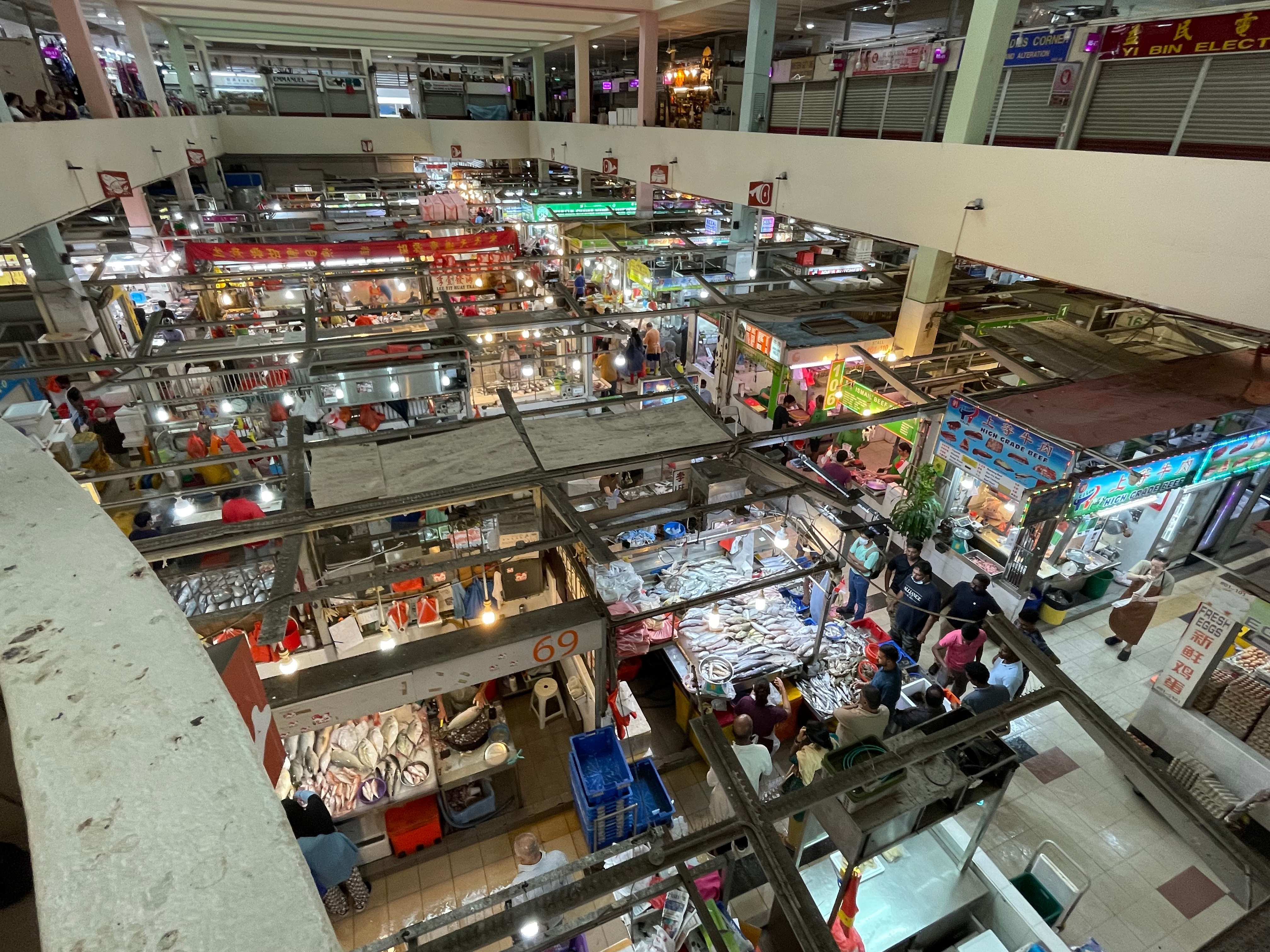
Fortunately, the distrinct cultures that made Singapore a unique city can be sampled in the historical districts: Chinatown, Little India and Kampong Glam. Add Boat Quay along the Singapore River and you get a compact walk through the city’s trading past and the communities that still shape everyday life here.
None of these areas are big, so plan a few hours for each stop, maybe half a day if you want to eat something or spend some time shopping around.
Boat Quay
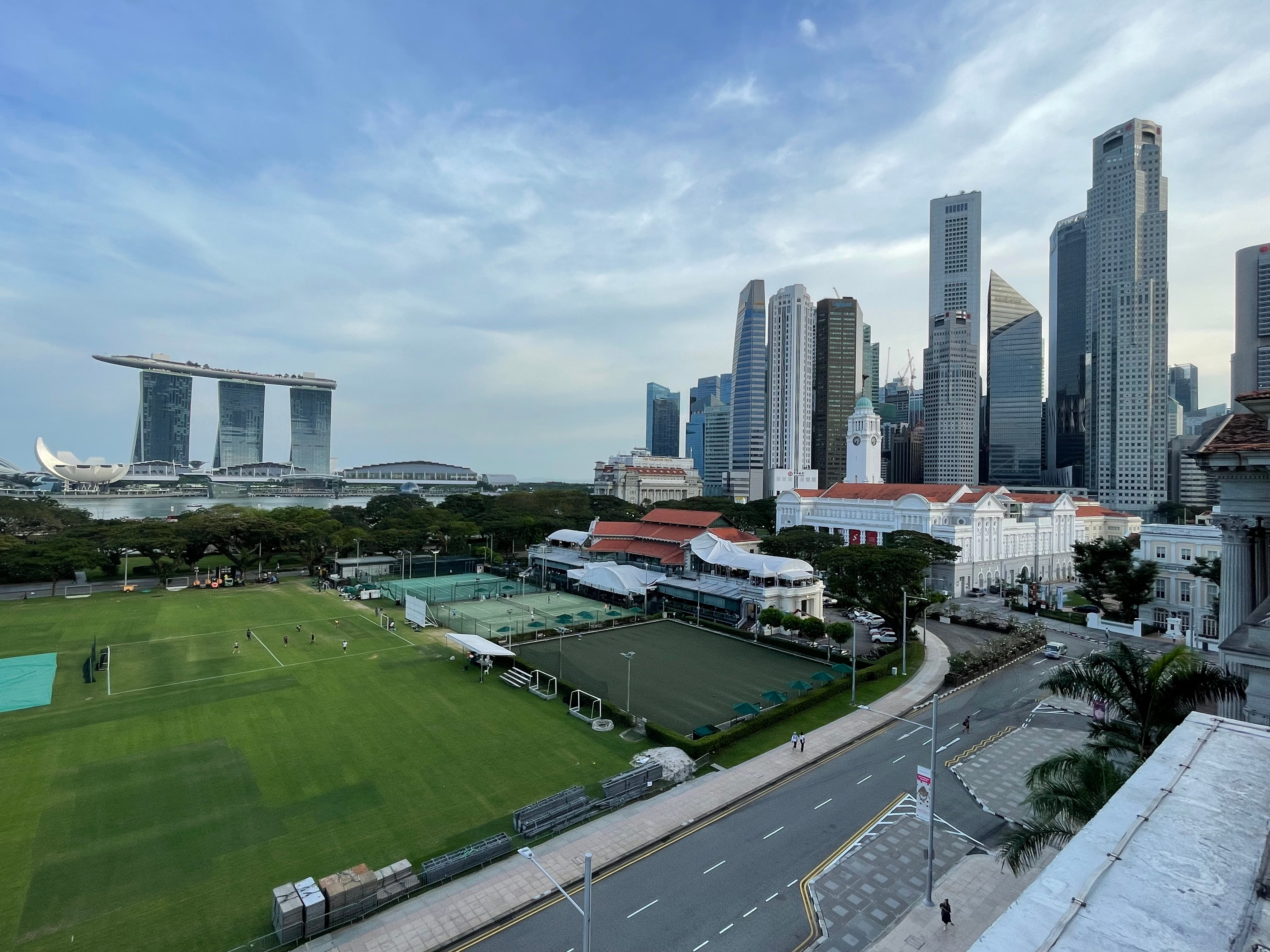
The promenade along the Singapore River is one of the best spots to enjoy evening strolls or even running. Boat Quay sits on the south bank, a row of restored shophouses that once served as warehouses for the river trade and now hosts restaurants and bars facing the water.
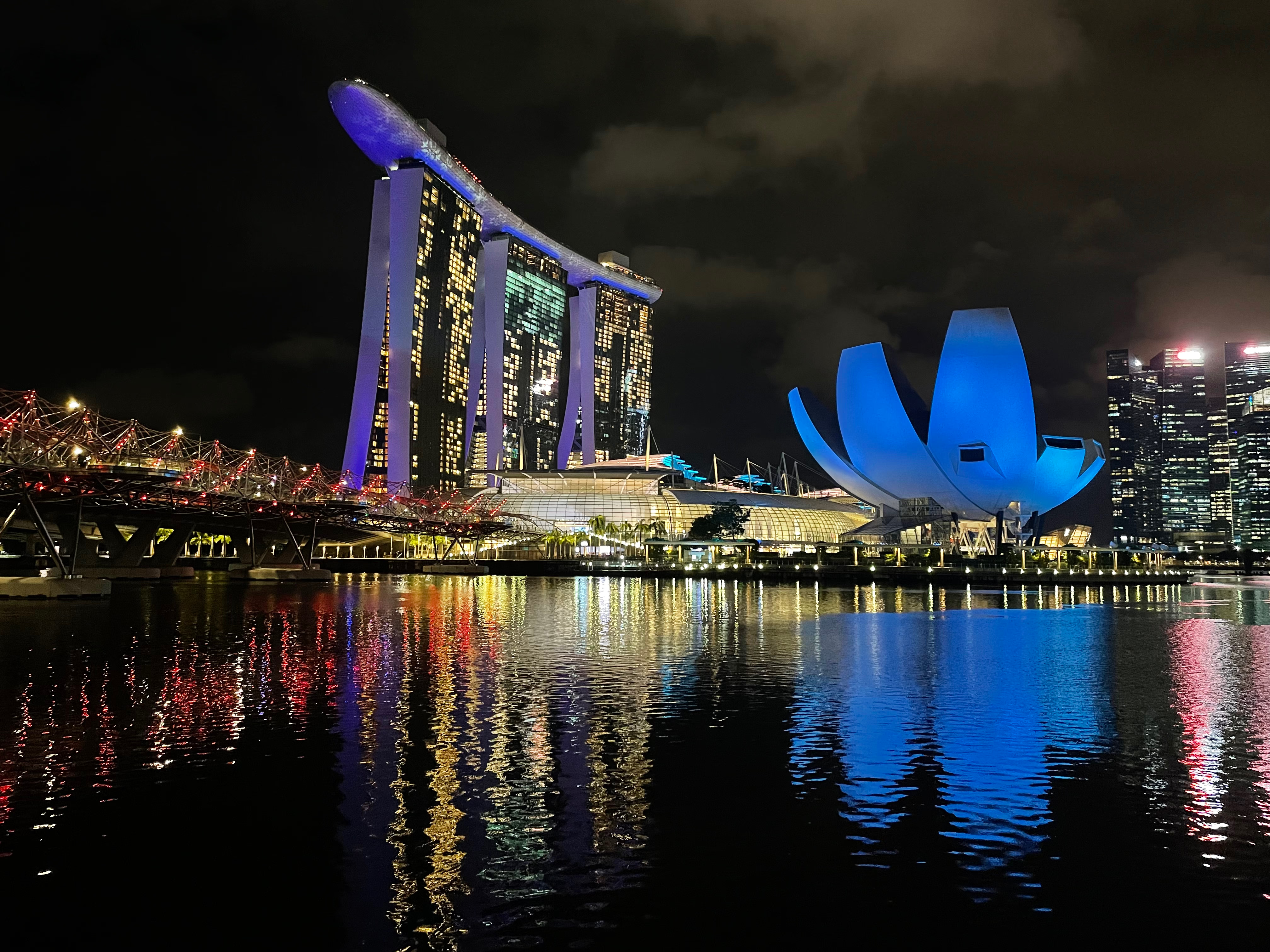
Together with Clarke Quay and the banks of the Singapore River, this is one of the best places to enjoy the city day and night.
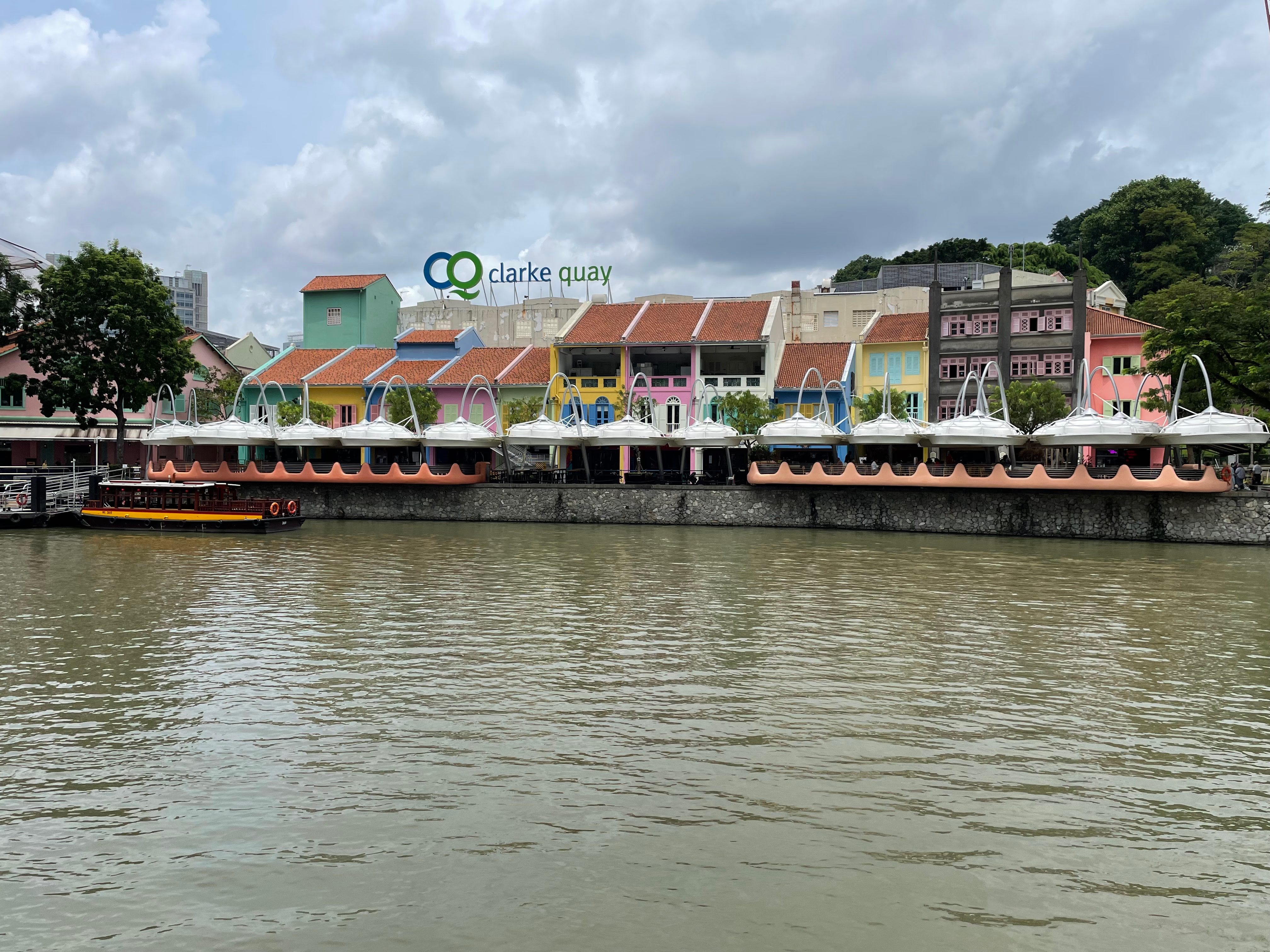
This area is where the miracle of Singapore’s economic growth started. The British built the first port here in the 1800s, which slowly became a major trading hub for the region and now for the entire world.
Boat Quay is also a great spot to start your journey in the city. It is centrally located with quick access to the Downtown and the Marina Bay area. Outside of the historical shophouses, there are plenty of modern buildings and malls just around the corner.
Chinatown
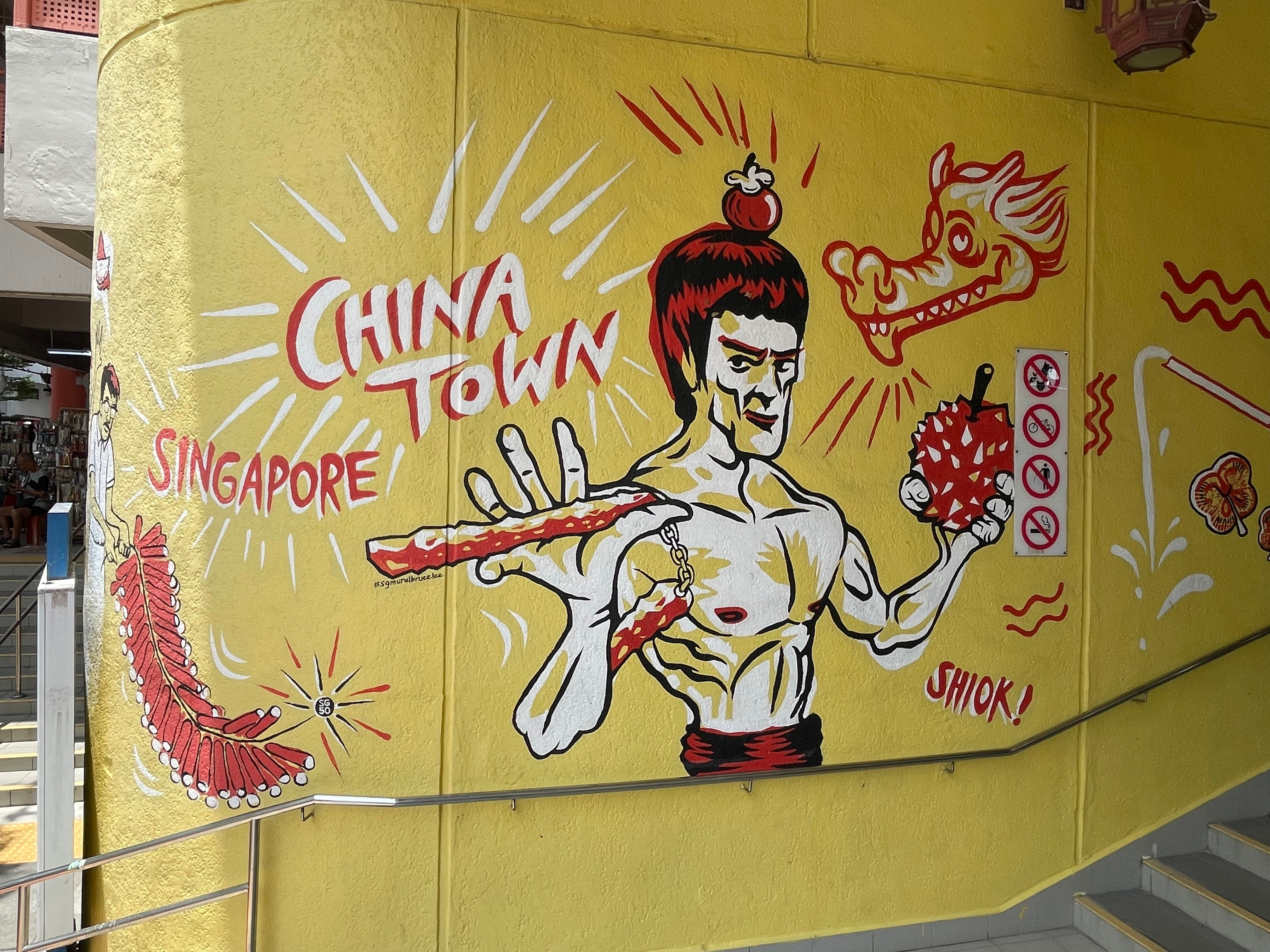
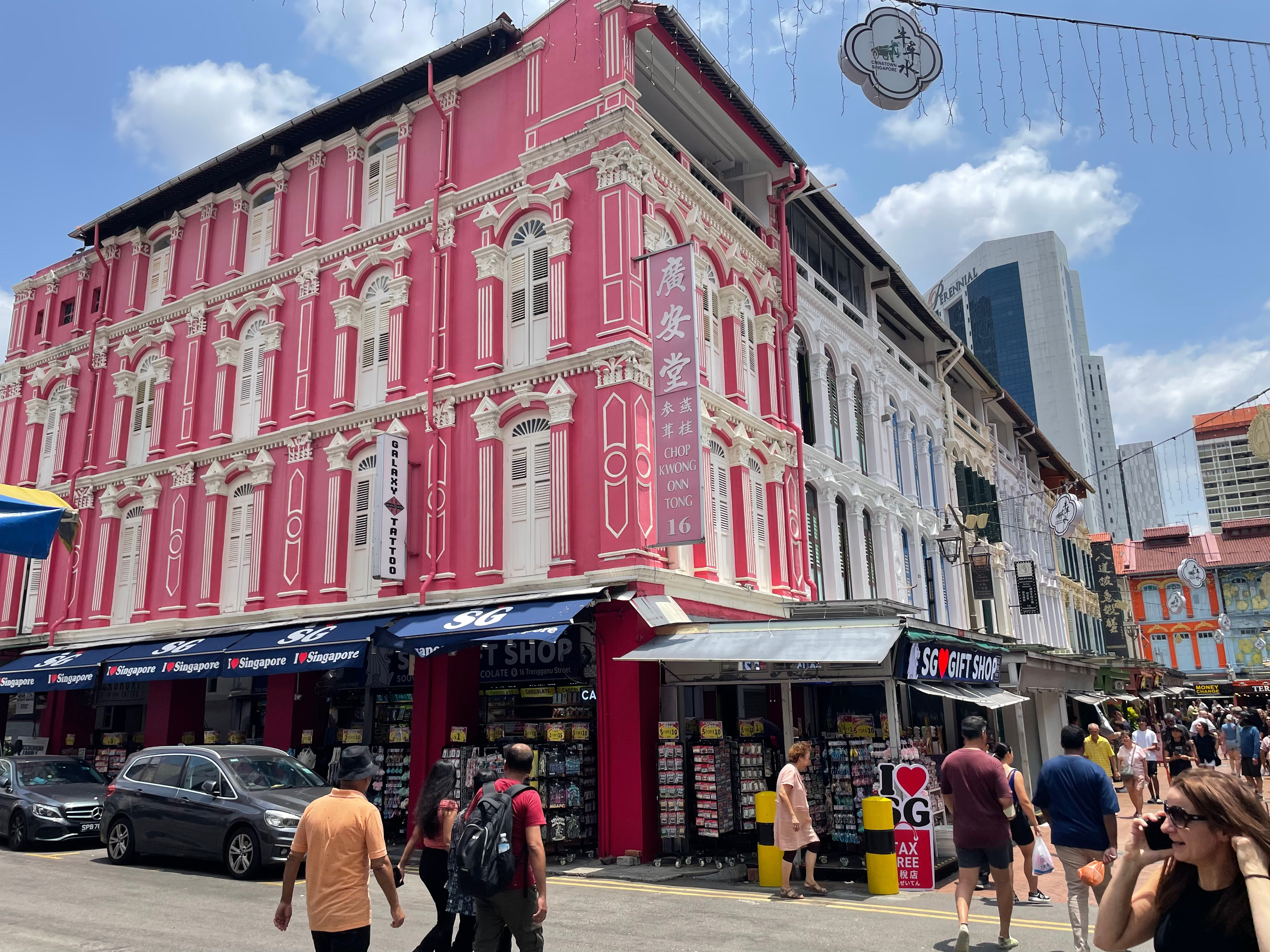
A few blocks away from the riverfront, Chinatown is a lot denser and more colourful than the quays area. The streets here are mostly pedestrian and lined with temples, markets, restaurants and shophouses.
Some of the most affordable restaurants and hawker centers in the city can be found here. Singapore is a really expensive city, but if you know where to look, you can still enjoy an amazing meal for a fraction of the price.
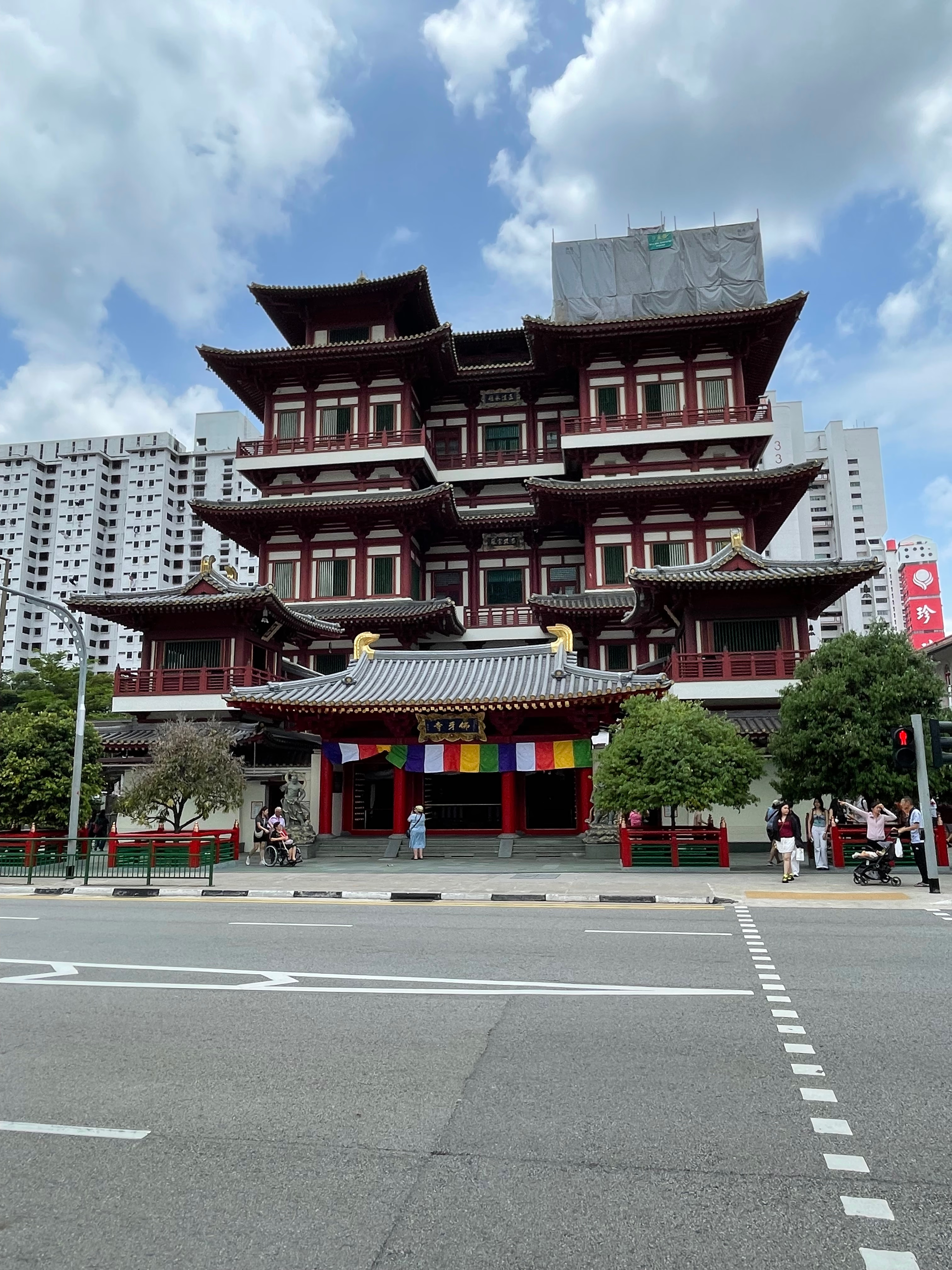
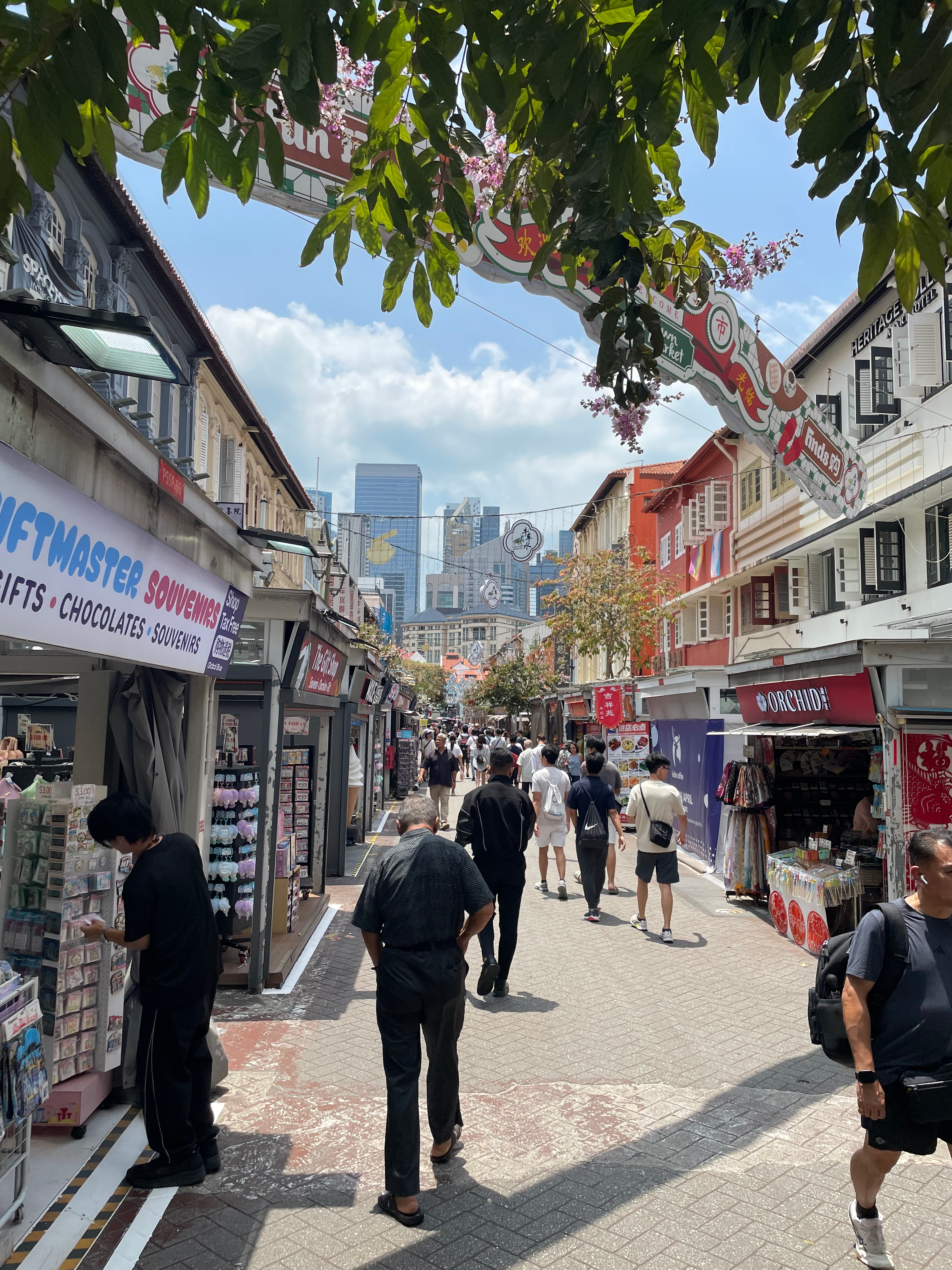
The hawker centers around the Buddha Tooth Relic Temple are a great place to sample virtually any type of food you can imagine, from chinese noddles to indian curries and everything in between.
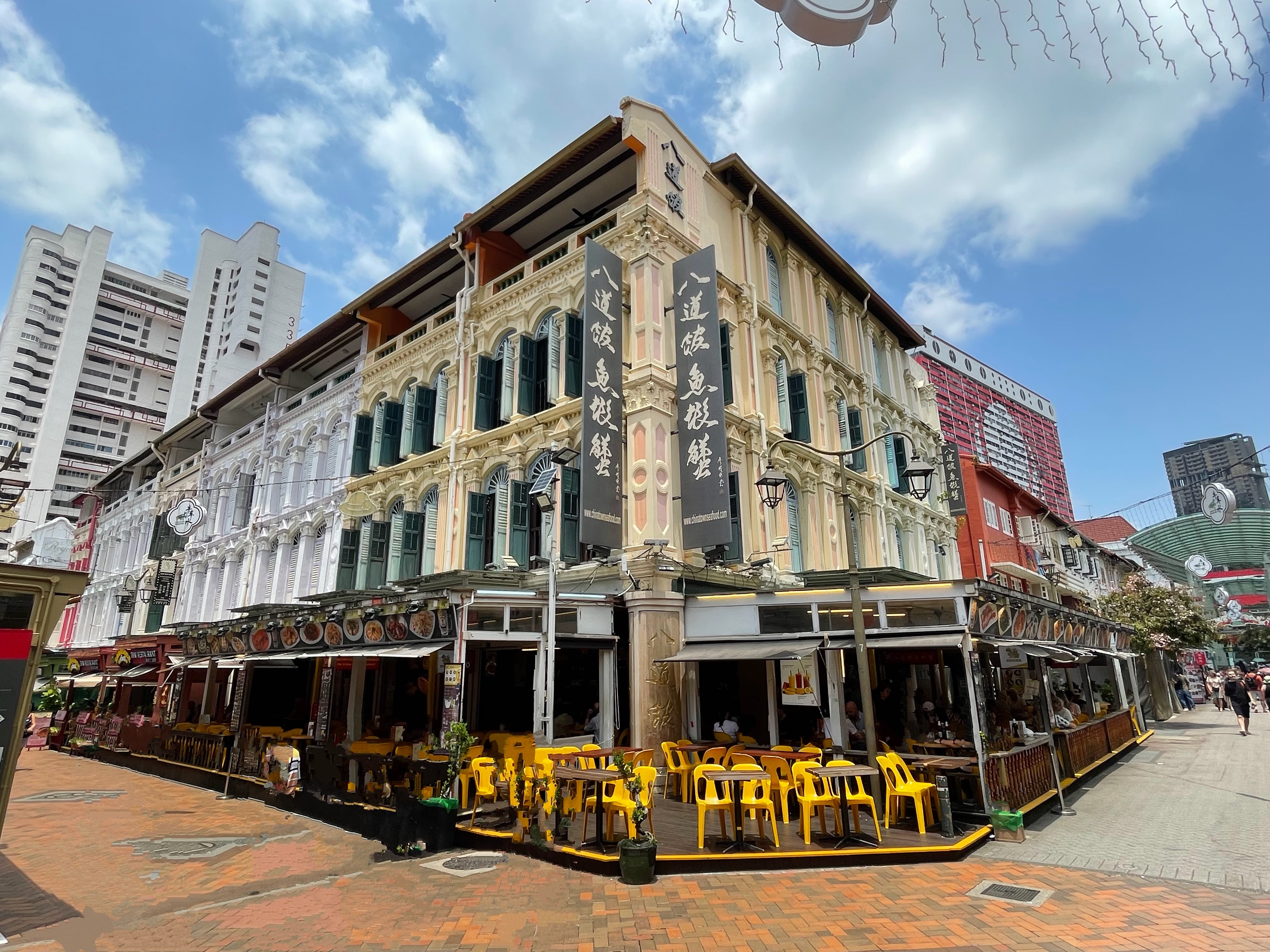
The old shophouses here are the symbol of the district. They are two or three storeys tall, painted in every possible colour and adorned with shutters and ornaments. Most of them have been in the hands of the same family for generations.
Kampong Glam
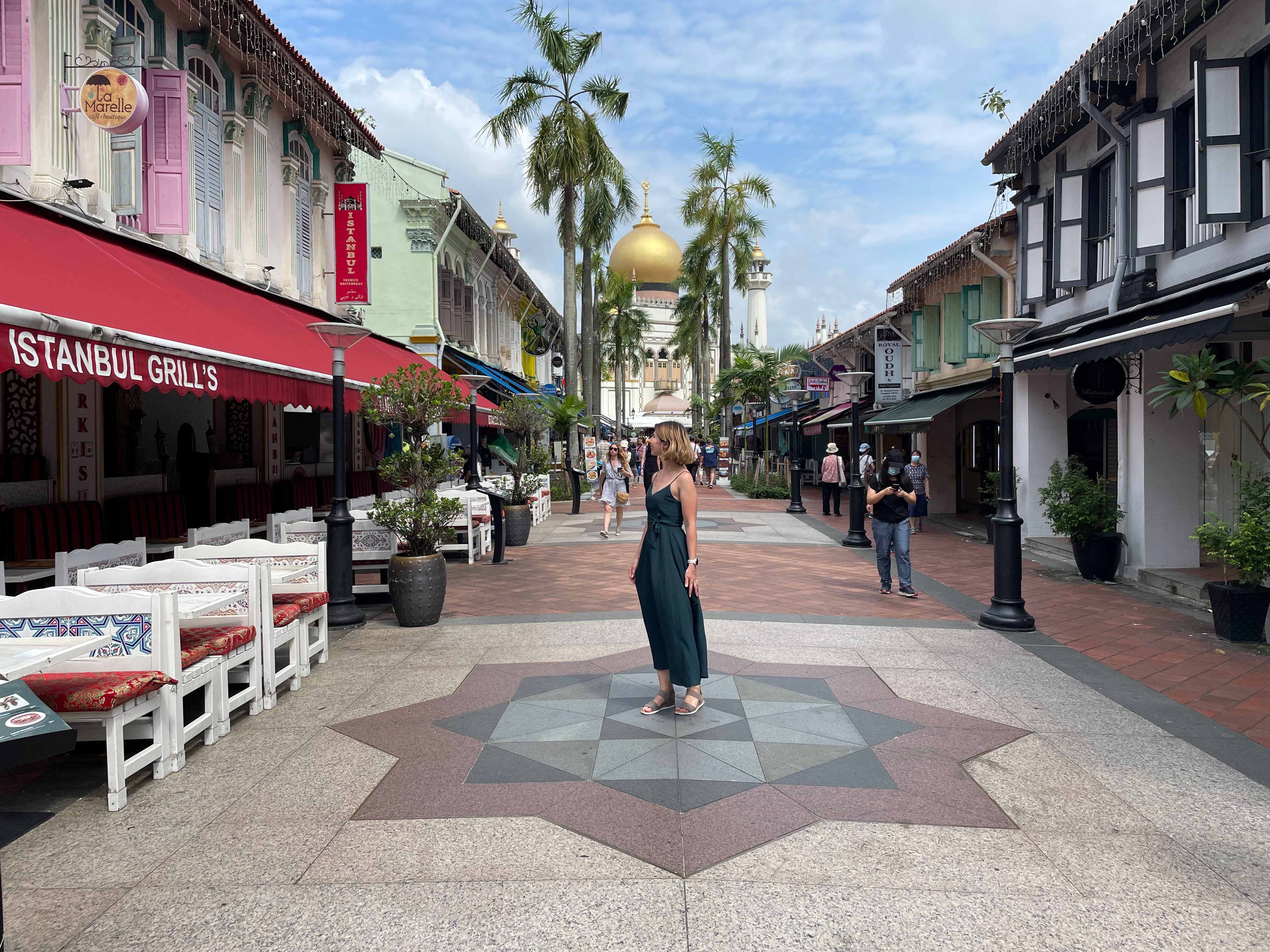
Further away from the city core, you can find Kampong Glam, Singapore’s historic Muslim quarter. This one is a bit more compact than Chinatown but equally photogenic and lined with plenty of shops and restaurants. The area feels calmer than Chinatown, with textile shops, perfume stores and cafés clustered around the beautiful Sultan Mosque.
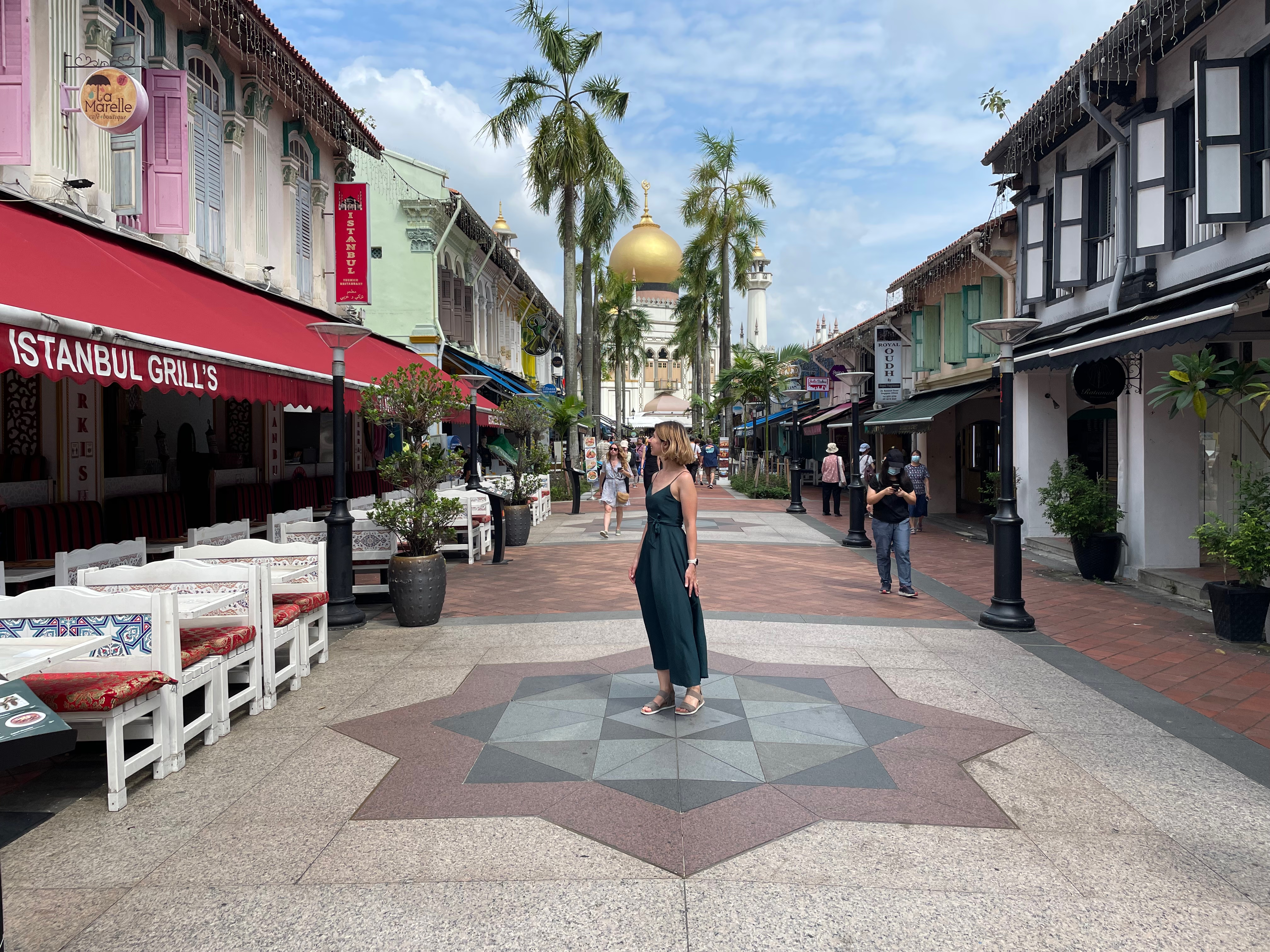
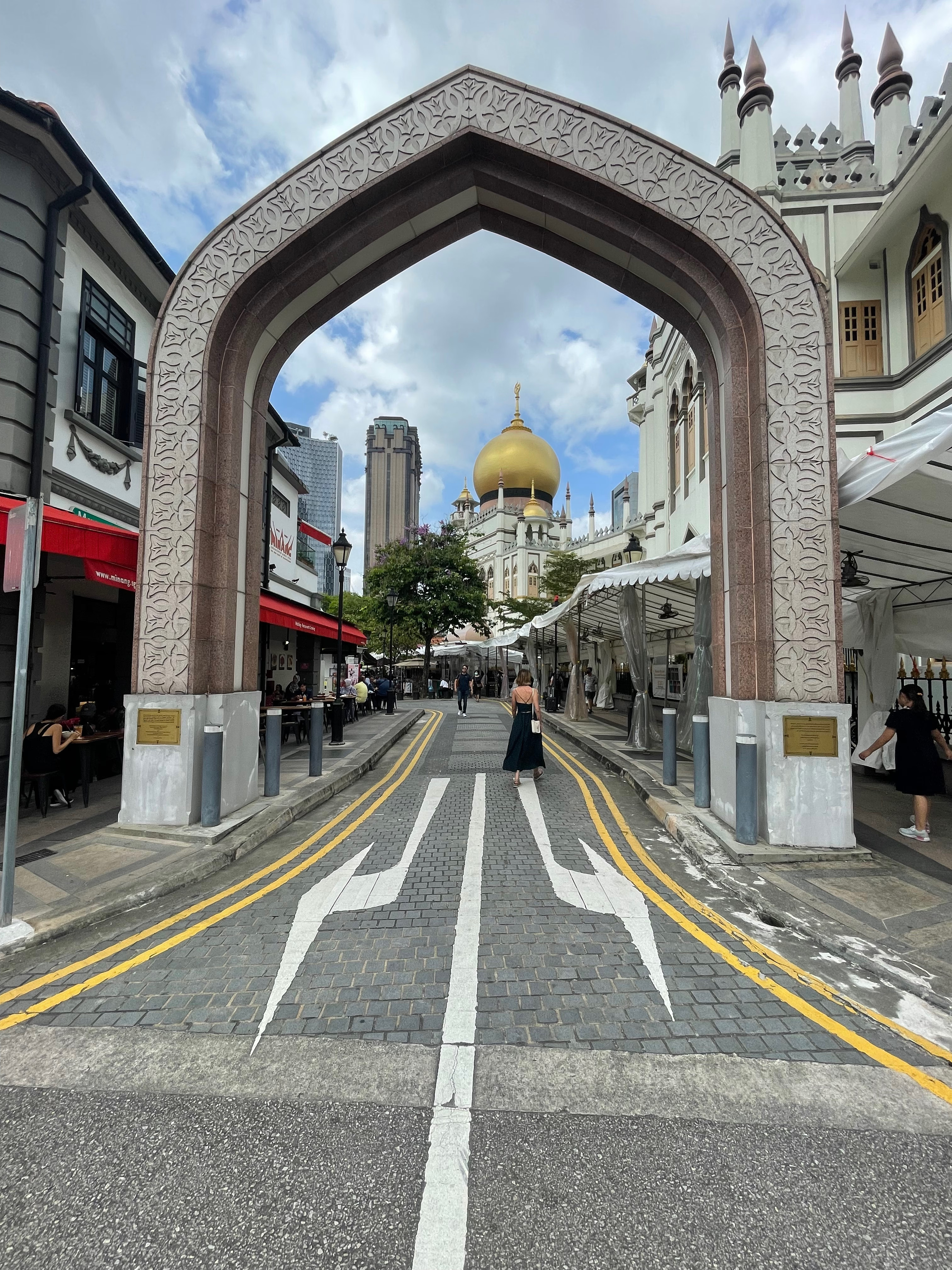
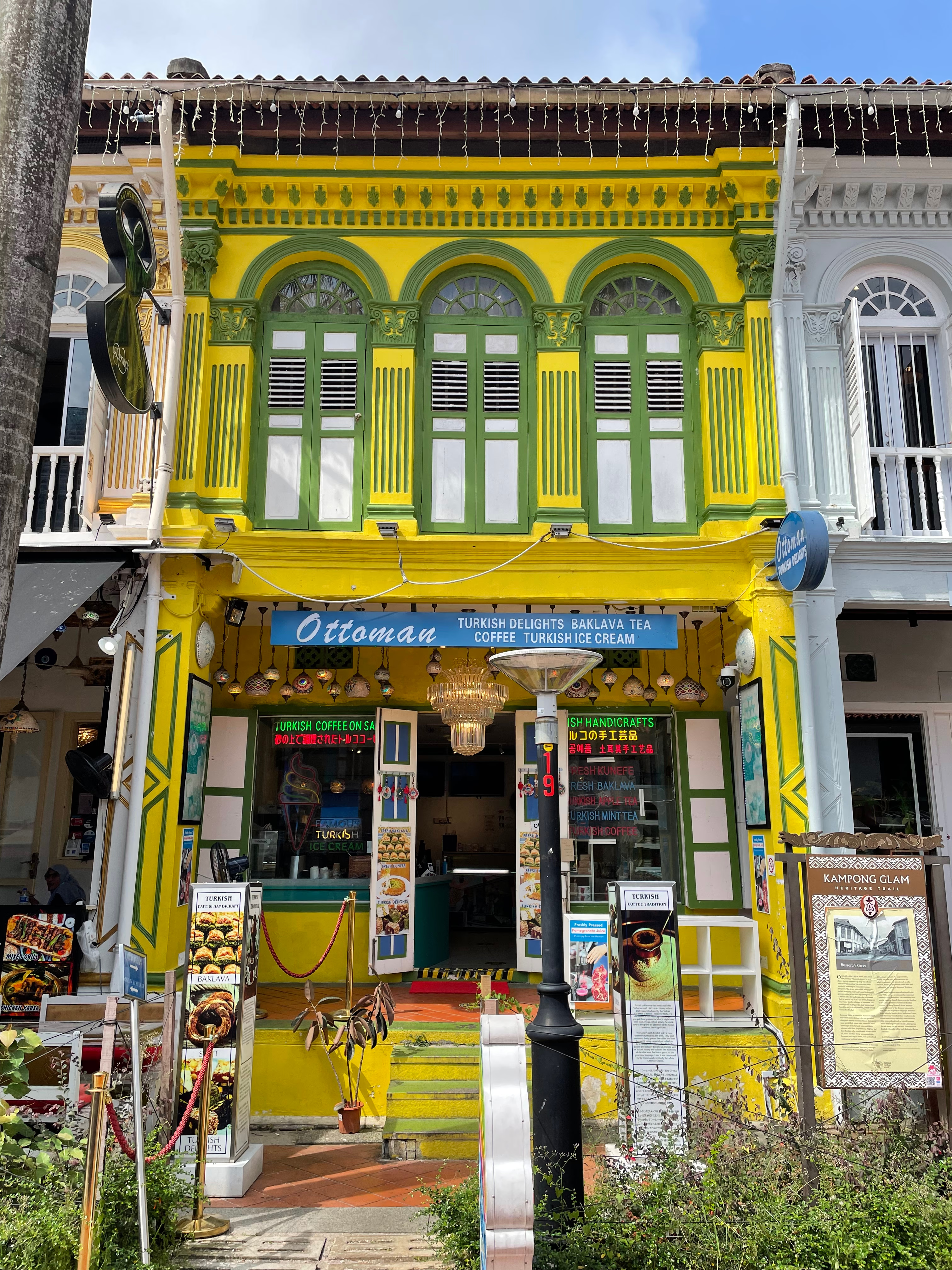
The side streets in Kampong Glam are just as interesting as the main ones. There are numerous murals and hidden spots. On top of the malay and arabic shops, you can also find a ton of turkish specialty shops.
Kampong Glam doesn’t feel like a malay specific quarter, but like a mix of islamic culture and influence from all over the world.
Little India
Not far from Kampong Glam, Little India is a louder denser and equally colorful neighbourhood. Temples, flower garlands, spice shops and murals cover these streets.
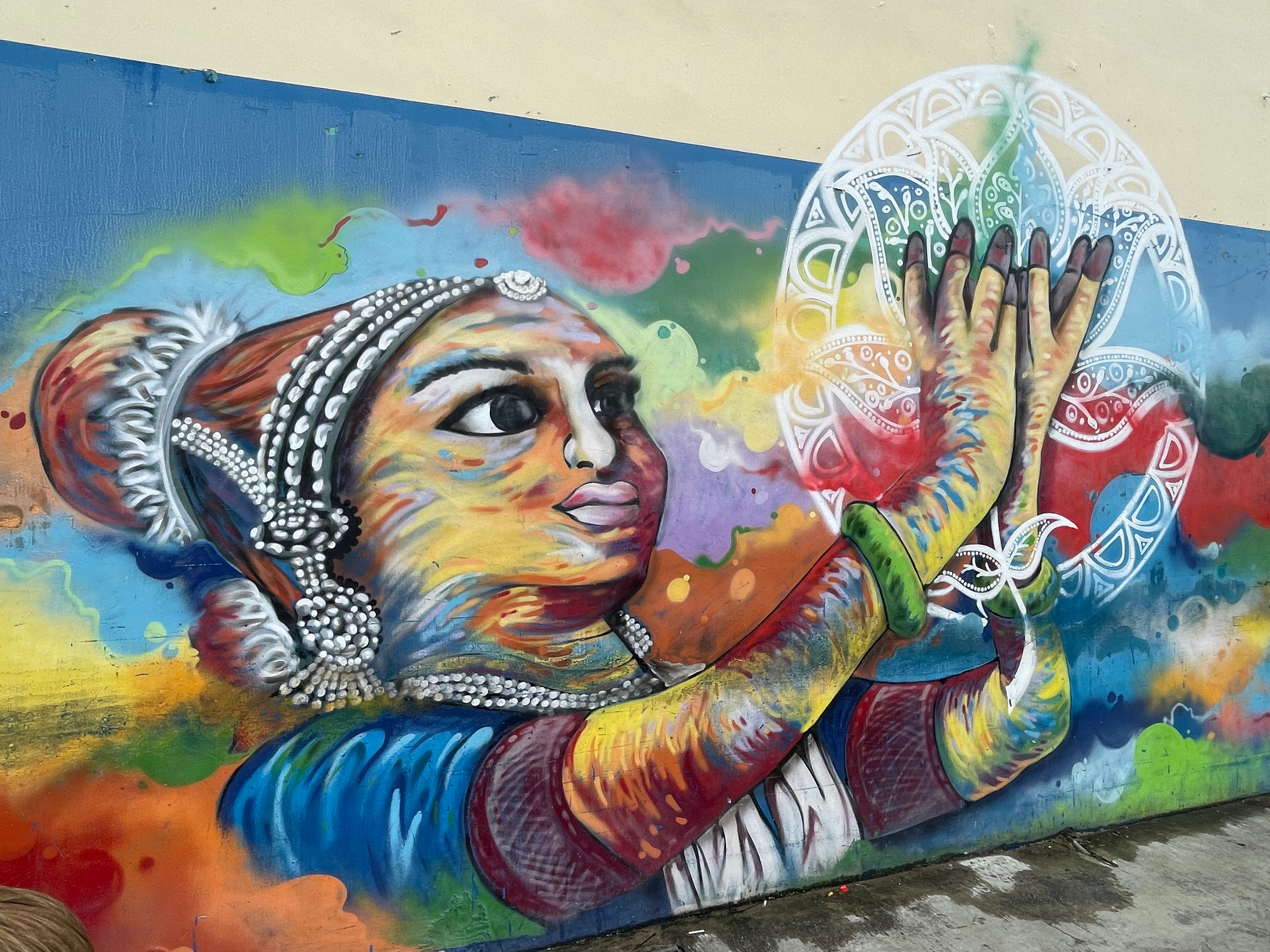
The market is worth a stop even if you are not buying anything. It has wet market stalls on the ground floor, food stalls and textiles above, and a level of noise that makes the rest of Singapore feel very quiet.
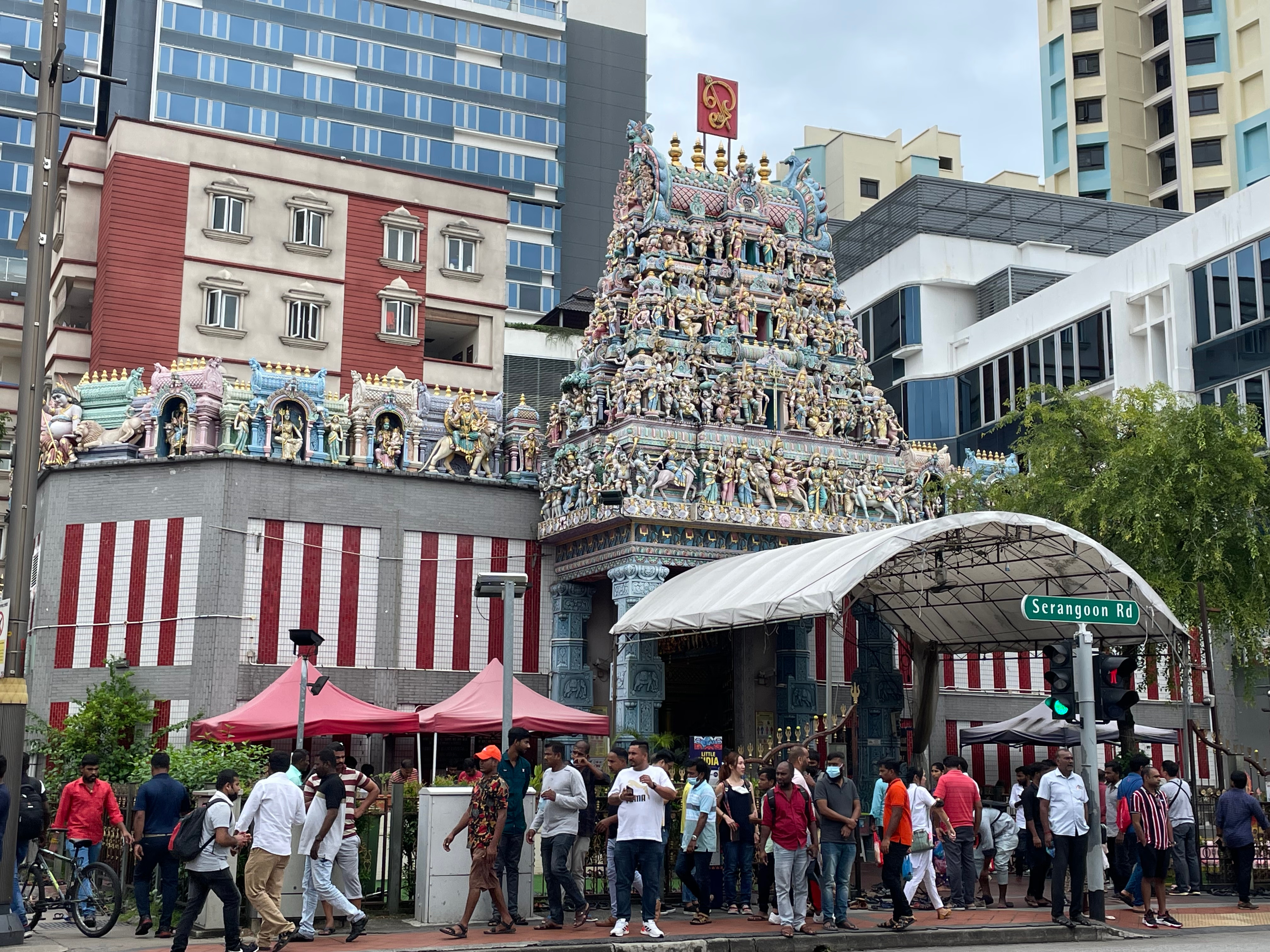
When we did our tour of Little India, one of the stops was at the Sri Veeramakaliamman Temple, a colourful and, at times, extremely crowded Hindu temple located on Serangoon Road. If you are interested in the hindu culture, this is a great place to visit.
The four districts we visited are all connected by the MRT system and quite easy to reach from any central location in Singapore. If it’s not a super hot day (which can be a problem here), walking between them is also a great way to discover parks and areas that are not on your regular tourist guidebooks.
We strongly recommend booking tours that cover these neighbourhoods. Monster Day Tours offer a lot of free walking tours of the historical districts and they have amazing local guides. The Chinatown and Little India tours were particularly great as the tour guides took us to hidden spots and shared a lot of interesting facts about the communities living in the districts.