The beginner's guide to the Dolomites
First time visiting the Italian Dolomites? Here's everything you need to know to plan your trip.
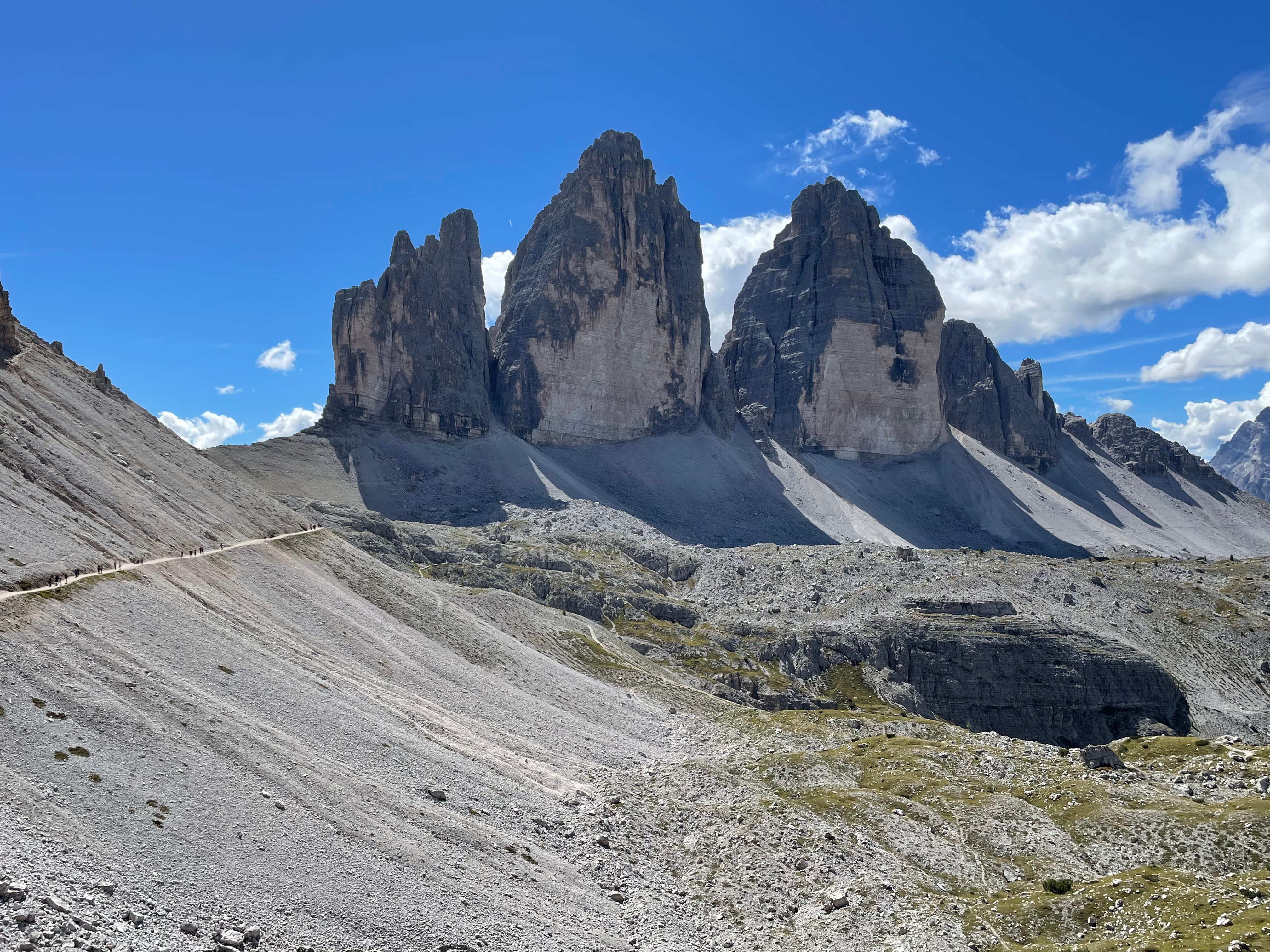
Tre Cime di Lavaredo
Introduction
The Dolomites are a stunning mountain range in the north-eastern part of Italy. They are packed with hiking trails, mountain huts and out-of-this-world scenery. The Dolomites region is designated as a UNESCO World Heritage Site. On top of the natural beauty, the region is also known for its unique culture and tumultuous history.
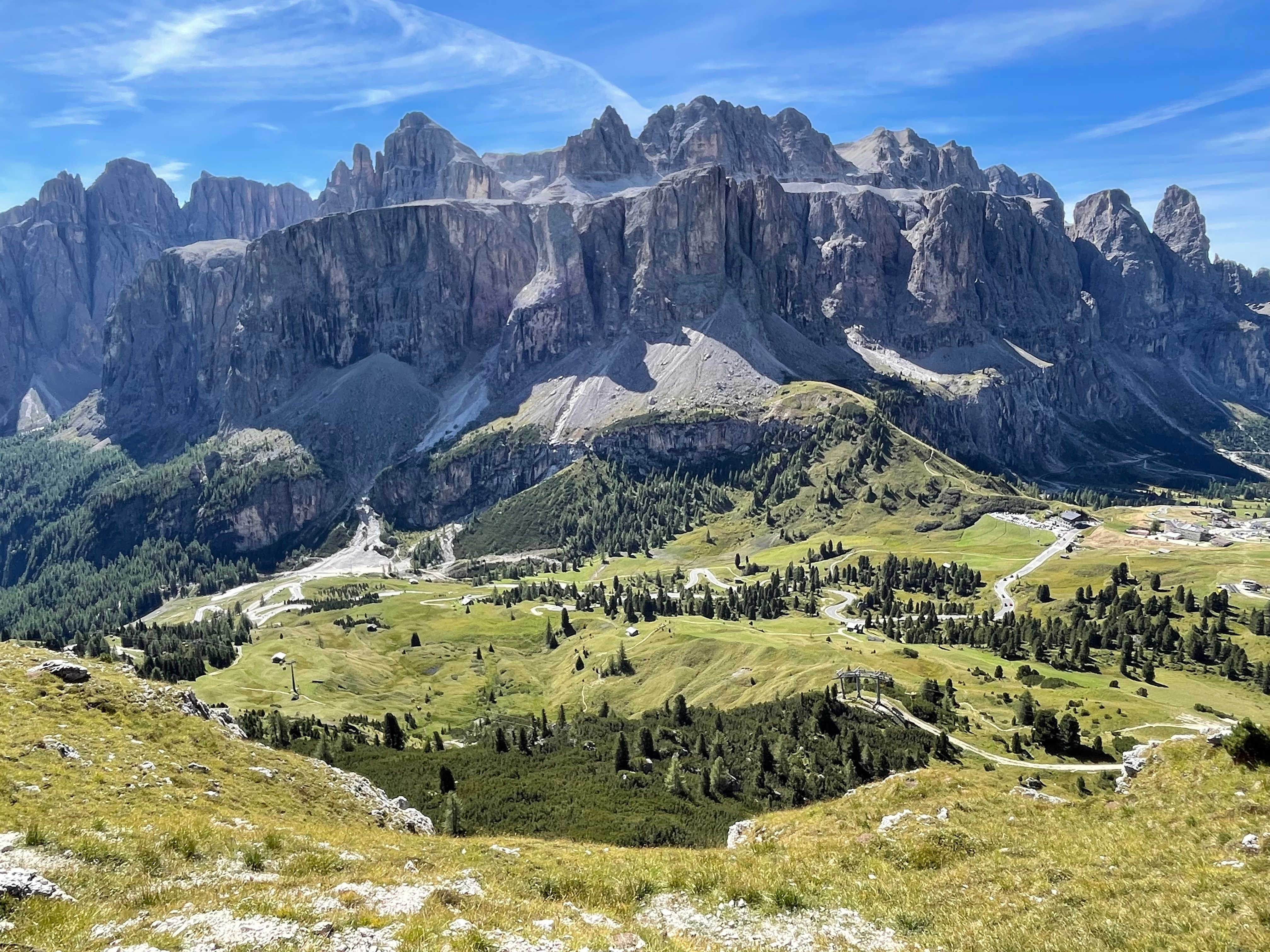
We visited the Italian Dolomites four times since 2021, so you can probably figure out it’s one of our favorite places in the world. Each time we returned, we stayed in a different place and explored different parts of the region, so now we can put together a guide for first time visitors.
When to visit
The best time to visit is from from late June to mid-September, when the weather is warm and the mountains are at their most beautiful. It is unfortunately also the peak season, so expect high prices and crowds, especially when overlapping the summar holiday season (mid July - end of August).
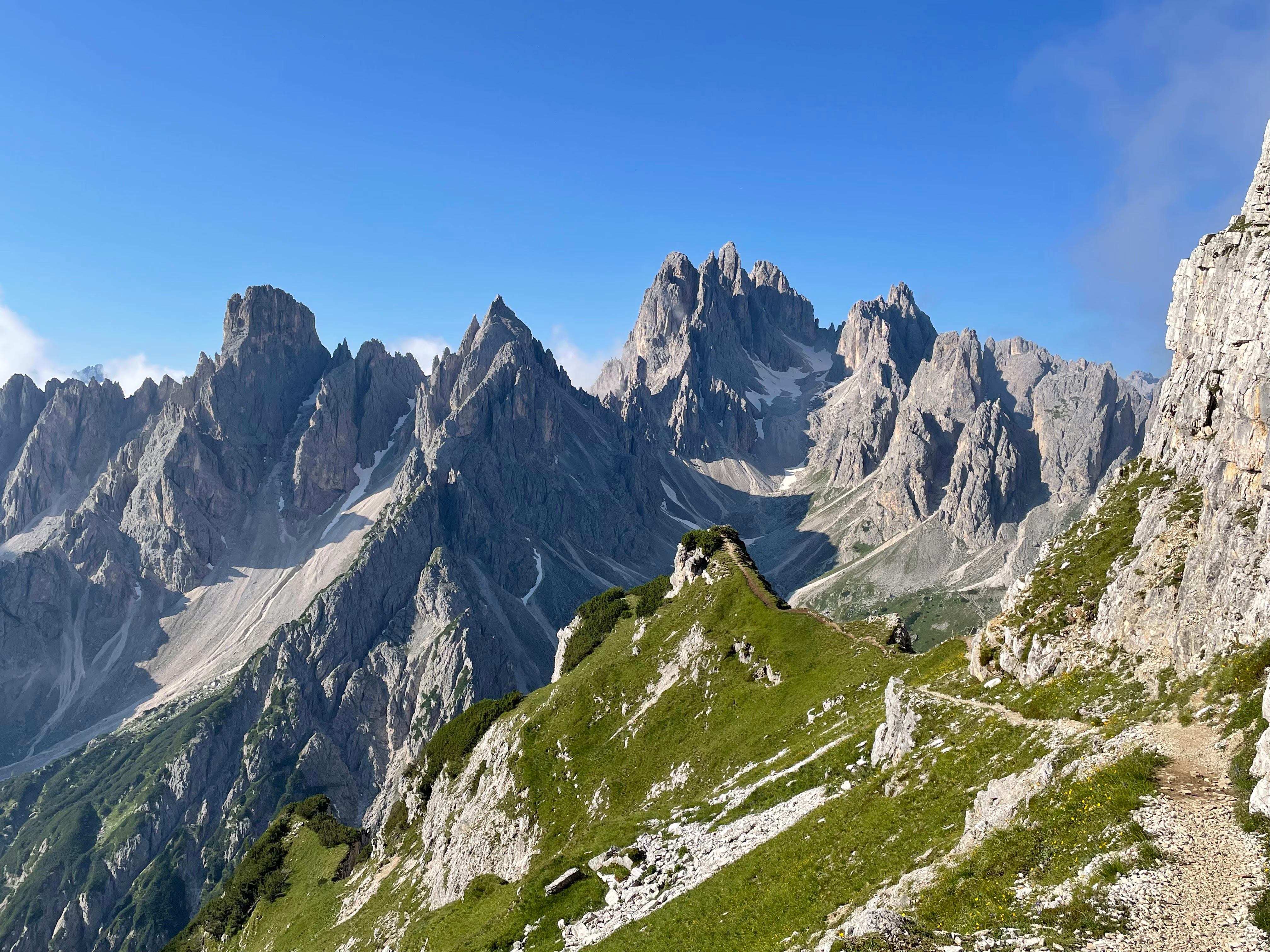
For an optimal first-time experience we recommend the first two weeks of September, when the weather is still warm, it is much more predictable (less rain) and the peak summer crowds have left.
Early season is also a solid choice, as every valley is packed with wildflowers and the trails are less crowded. But June-July tend to have unstable weather and the afternoons are often rainy and ocassionally hit by thunderstorms.
Where to stay
The Dolomites span multiple regions of Italy, but the most popular places fall either in Veneto (Beluno province), or in Trentino Alto Adige (Trentino and Bolzano provinces).
Most of our stays have been in the Bolzano autonomous region, or Südtirol how it’s known in german. This is multi-cultural region with a strong german influence and a local romance dialect called Ladin - spoken widely in the Val Gardena region. We personally found the accommodations and the services in Südtirol to be superior to everything else that’s available in the other regions.
To narrow it down, we recommend staying in Val Gardena for your first visit. There are 3 main towns: Ortisei, Santa-Cristina and Selva. They are minutes away from each other and all have their own chairlifts, cable cars and access to hiking paths.
If you are looking for a less crowded experience, you can also stay in Val Badia. We stayed there for almost two weeks on our second visit to the Dolomites and we fell in love with the place, particularly with La Villa, the southern-most town in the valley.
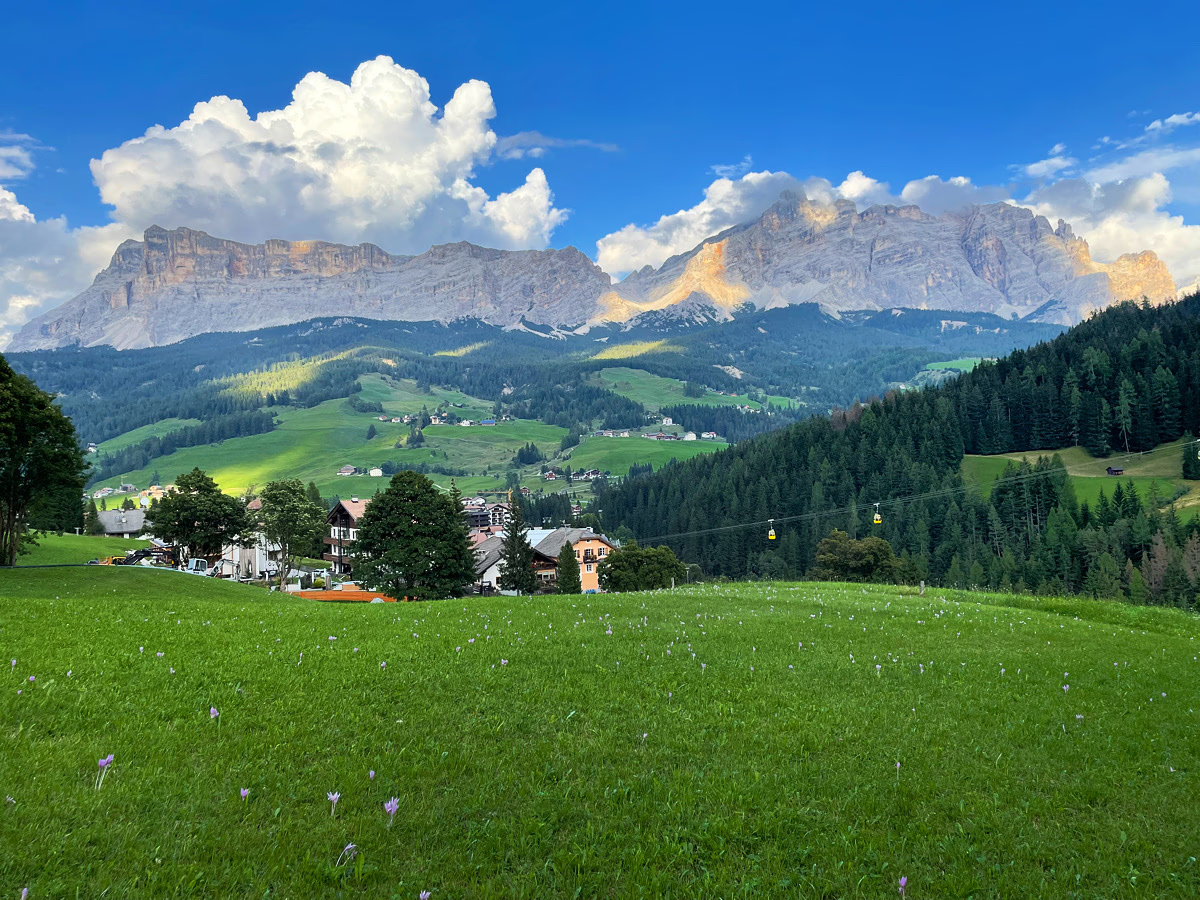
Keep in mind that Val Gardena tends to be a bit pricier, since it’s the most popular place in Südtirol. At the end of the day, both of these places areas a solid base for exploring the Dolomites.
If you already have a place in mind, or you booked your stay elsewhere, do not worry. Nothing is really too far away and pretty much every valley is connected by scenic roads with the rest of the region.
How to plan your hikes
If you’re planning a trip to the Dolomites, you’re probably familiar with basic hiking rules and equipment. But here are a few things that differ here from other hiking destinations.
First of all, the Dolomites are made of limestone, which means that the trails are often steep and rocky. Good shoes are a must, on any trail. This doesn’t necessarily mean that the trails are difficult, but you have to research a bit before heading out. The mountain ridges are also very dry, often with no water sources along the way and very few trees that offer shade at higher altitudes.
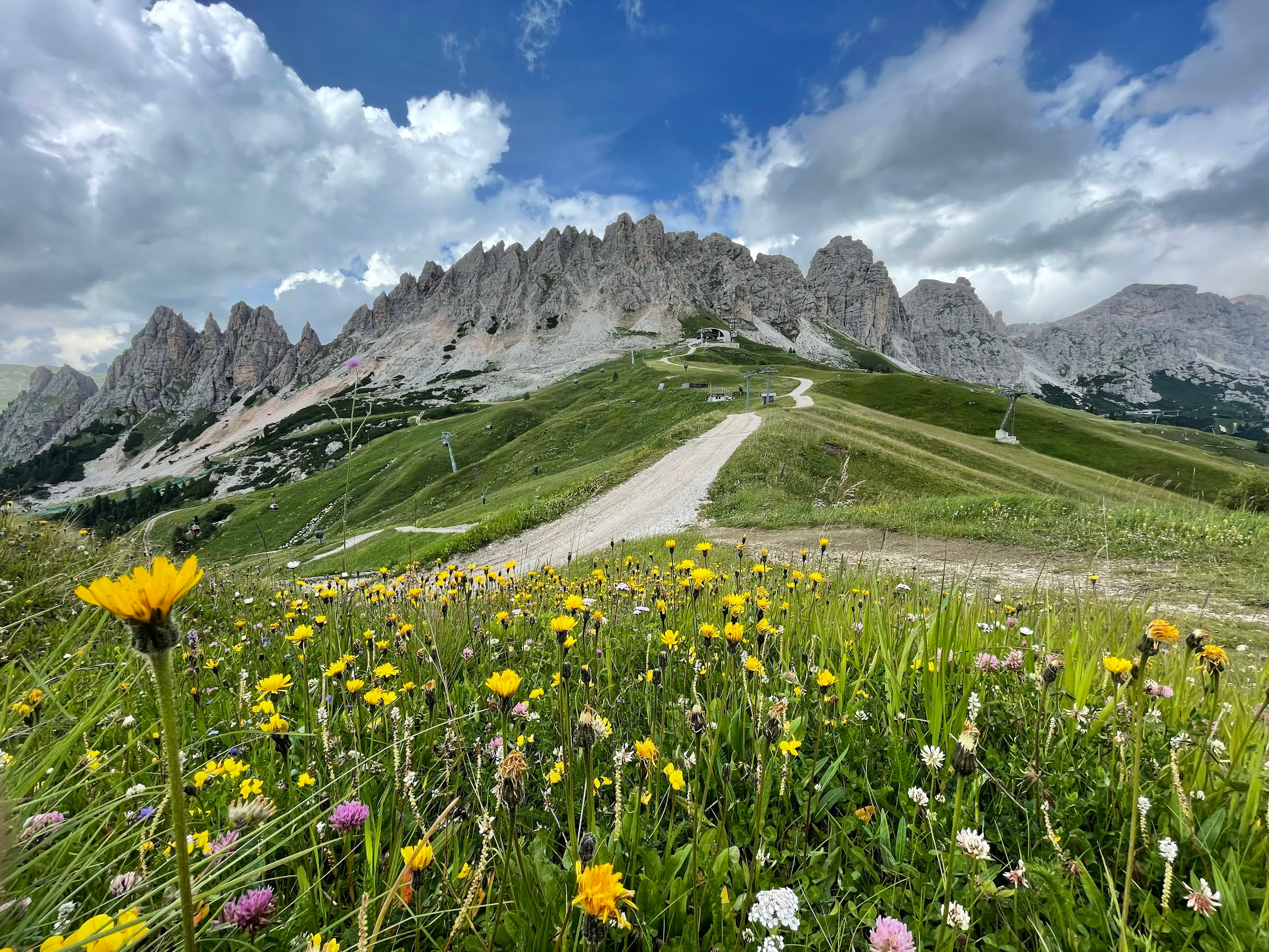
On the flip side, the trails are extremely well maintained and there are hundreds of mountain huts (or rifugios in italian) along the way. The huts are well equipped and usually offer a wide range of foods and drinks. It’s part of the Dolomites culture to stop for a break and enjoy the views, so you’ll often see people taking a break at these huts.
Our go-to app for hiking trails is mapy.com. It allows you to plan hiking routs, get an estimate of the time it will take to complete and get more information about the total elevation gain and the difficulty of the trail.
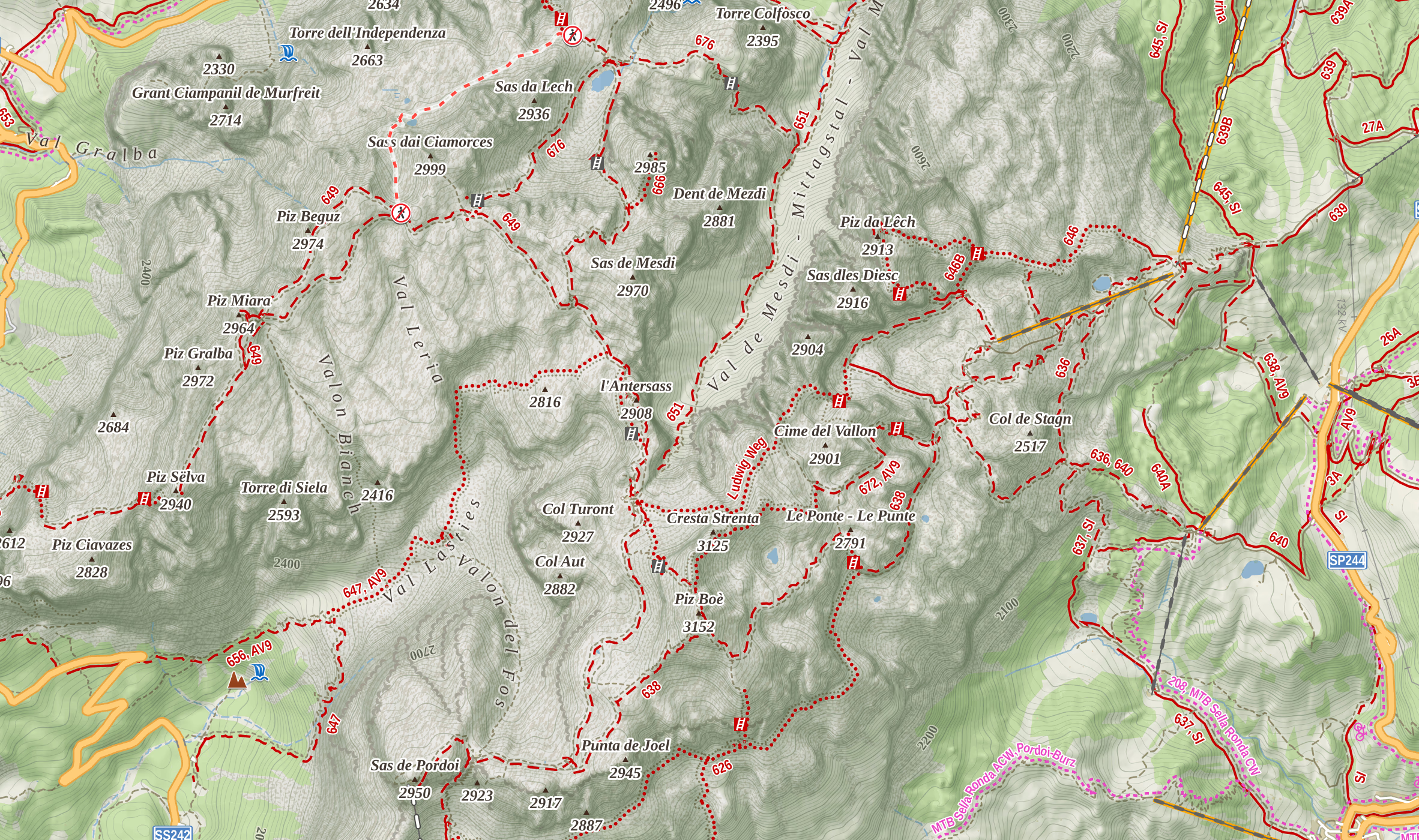
Difficult trails are dotted, while easy trails are marked with a solid line. Other terrain difficulties like aided paths and exposed areas are marked accordingly. It also allows you to download maps offline so you can use the app while you’re out in the mountains with limited or no internet coverage.
Hiking vs via ferrata
One of the most popular activities in the Dolomites is via ferrata. The technique was invented here during the First World War, to help soldiers climb the mountains with their equipment. For the history buffs, can find plenty of spots where battles were fought in the Dolomites, with carved tunels, wooden battlements and other fortifications.
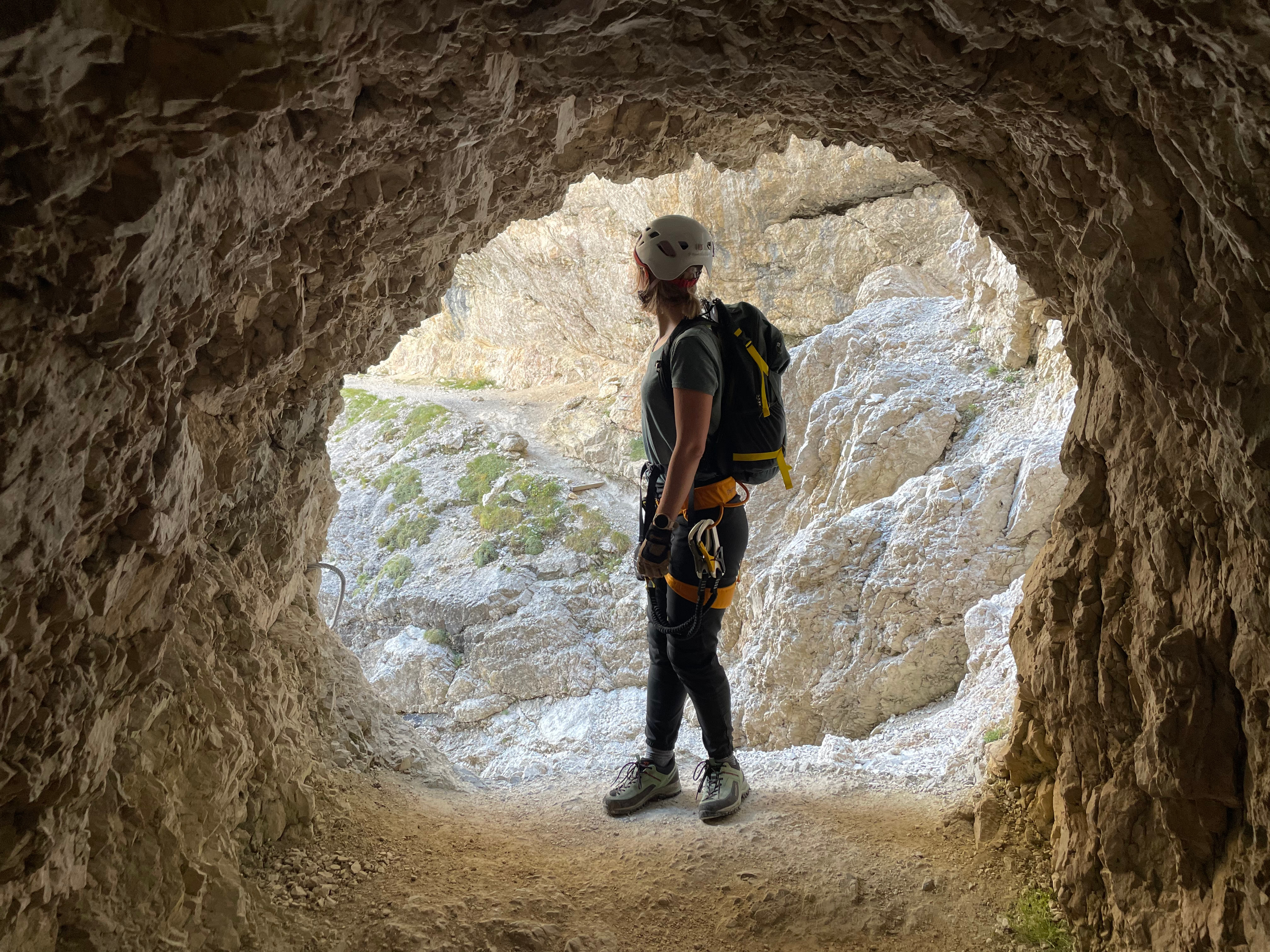
Back to via ferrata, this is a system of steel cables and anchors that are used to secure the hiker on exposed areas. The hiker wears a harness and is attached to the steel cable at all times with a special lanyard that allows them to move freely along the steel cables. Via ferrata trails are considered hiking trails, but they are marked accordingly and it is forbidden to use them without proper gear.
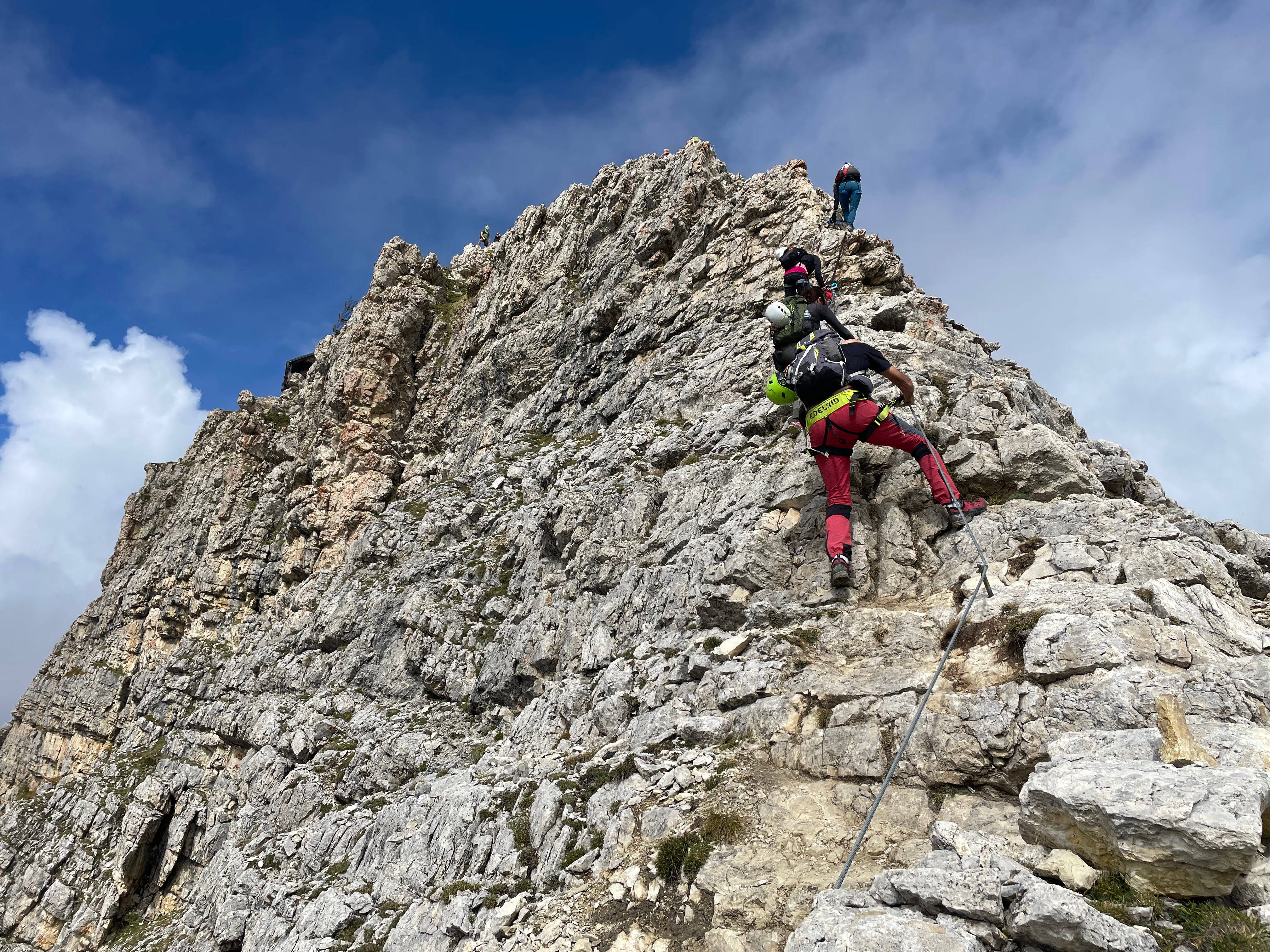
We experimented a via ferrata trail for the first time, during our first trip in the Dolomites, but we had a local guide with us. Since then we did a few different routes of small and medium difficulty. It is highly recommended to have someone experienced with you if you’re doing a via ferrata trail for the first time, even if you have all the equipment needed.
Most popular hikes
A lot of people visit the Dolomites because they see picture of the stunning landscapes and want to experience those exact views themselves. Honestly, the popular viewpoints and hikes are great and totally worth it, but don’t plan your entire trip just around them. We almost did this mistake during out first trip. Luckily we had time to explore some of the hidden gems around Val Gardena during that visit and looking back, those are some of the best memories we have from the Dolomites.
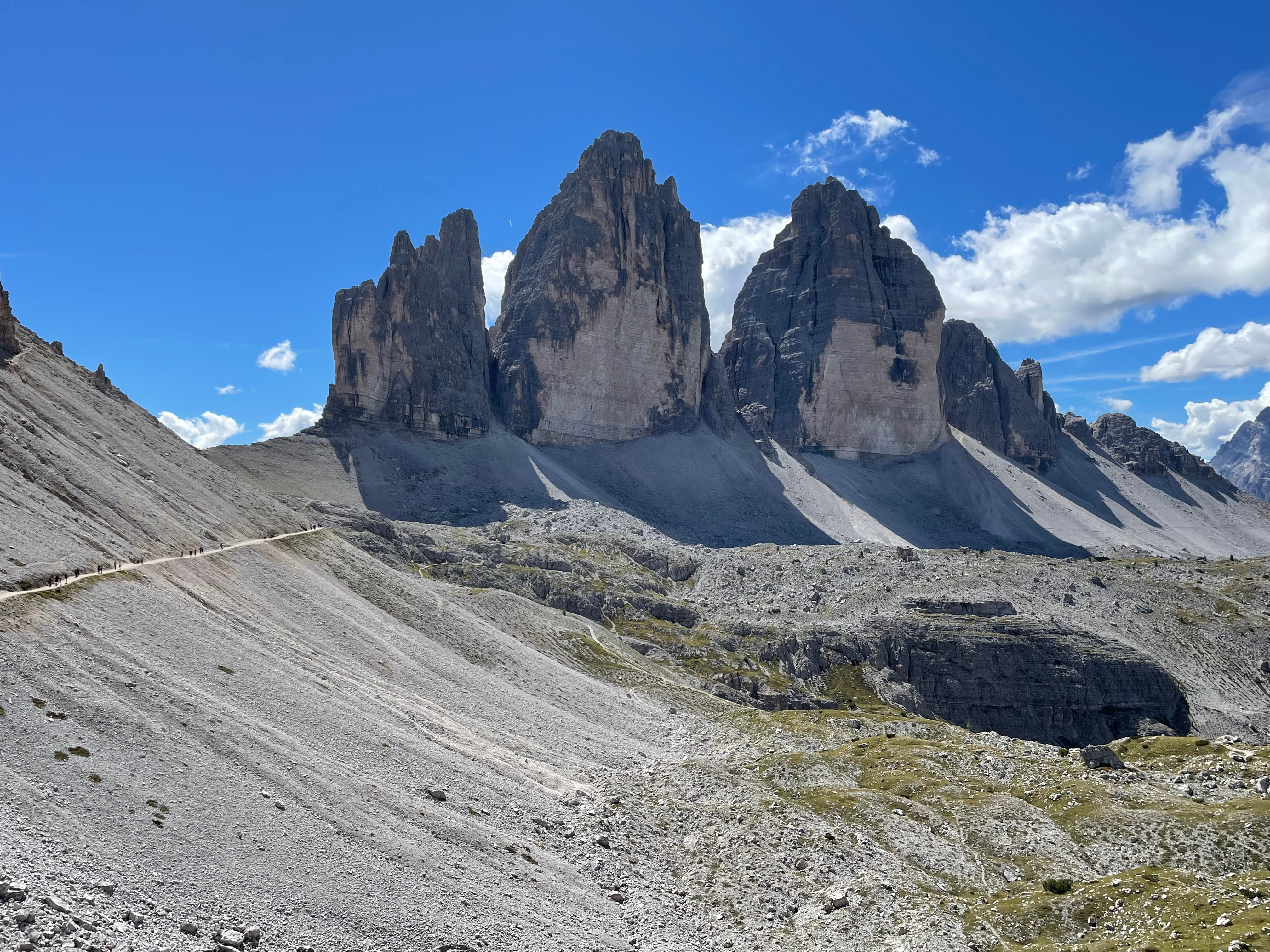
The classic Dolomites hiking trip includes in one form or another the following viewpoints and hikes:
- Tre Cime di Lavaredo
- Seceda
- Lago di Braies
- Cinque Torri
- Lago di Sorapis
We haven’t been to Sorapis yet, as it just didn’t align with our plans, but we’ve been to the others, even multiple times, and they are beautiful indeed.
However, keep in mind that these are popular all season long, during the weekdays and weekends, so expect to share the views with a lot of people. Also expect ot hustle for parking spots, pay a premium for access and wait in lines for the cable cars.
We will write more about some of these hikes and even some suggestions of alternate routes that will give you a better experience overall.
What we recommend
For your first visit, we recommend picking at most three of the must-see/instagram-worthy viewpoints and hikes. And search for other hikes and activities to complement the experience.
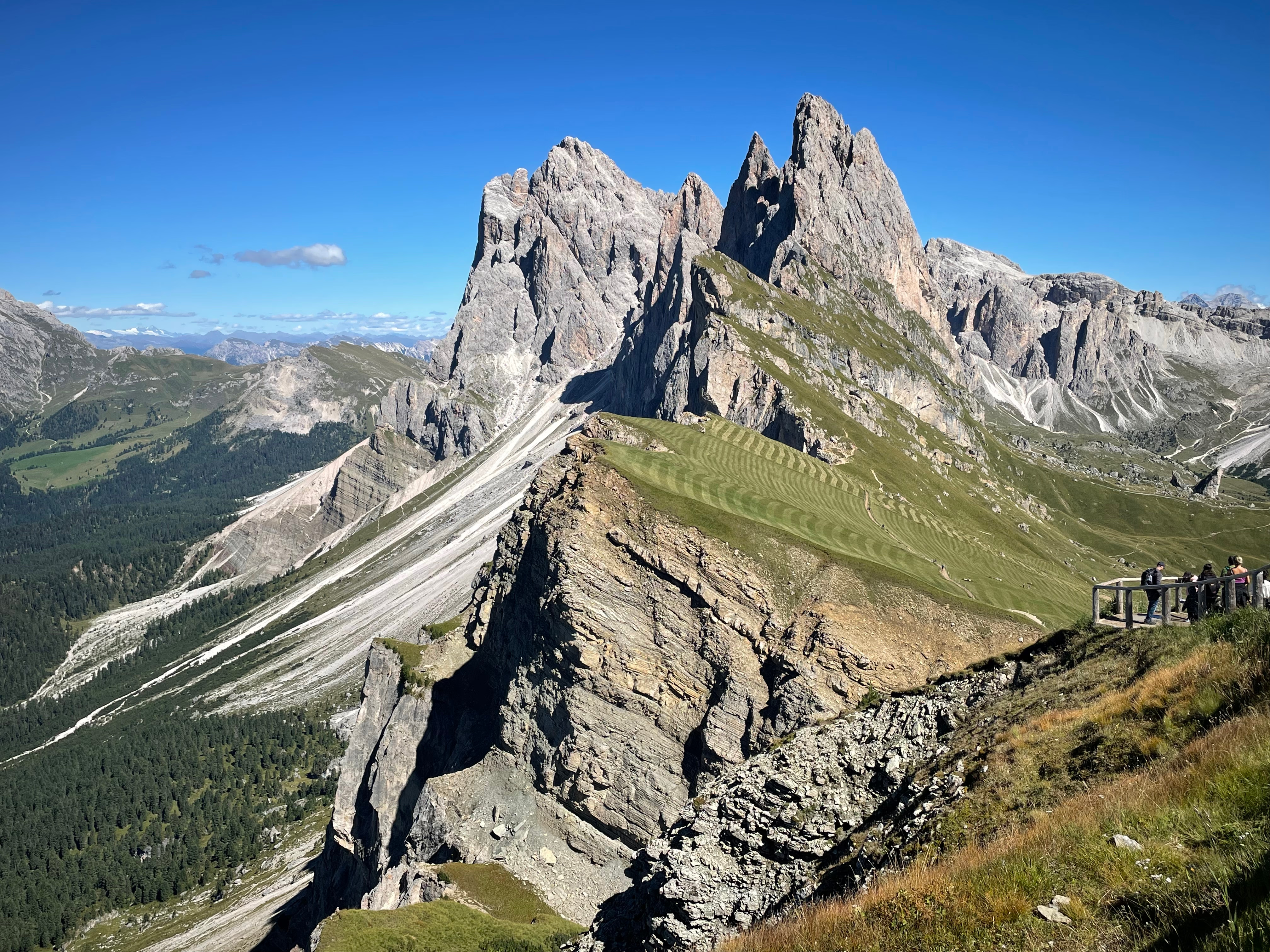
Research alternative routes to famous spots. The classic example is the Seceda ridge hike. You can take the overpriced cable car to the top from Ortisei, or you can hike for one hour from the Col Raiser cable car from Santa-Cristina. The latter is a much more rewarding experience and comes at a fraction of the cost.
Use the infrastructure to your advantage. The cable cars and chairlifts are a great way to get to higher altitudes and extend the area you can explore in a day. The rifugios offer food and drinks at fair prices, so you don’t need to carry 3l of water and a packed lunch with you.
Finally, try to be flexible with your schedule and don’t be afraid to change your plans last minute. Some of the best memories we have from the Dolomites are the result of last minute decisions and unexpected detours.