Da Nang: Vietnam's underrated beach city
Long sandy beaches, great food, and day trips to Hoi An and My Son, all from a well-connected hub in central Vietnam.
My Khe Beach, Da Nang
- Country
- 🇻🇳 Vietnam
- Region
- Asia
- Destination type
- Beach
- Best months
- February–May
Introduction
When people think of beach holidays in Southeast Asia, Thailand, Bali, and the Philippines usually come first. Da Nang rarely makes the list, and that’s exactly why it works so well.
Even within Vietnam, most travellers looking for a beach destination head out to Phu Quoc island.
However, when we were planning our first trip to Southeast Asia with a toddler, Da Nang came up as a beach destination that was easy to reach from both Hong Kong and Singapore, the two ends of our itinerary. It is also located in Central Vietnam, the part of the country we skipped during our first visit back in 2018.
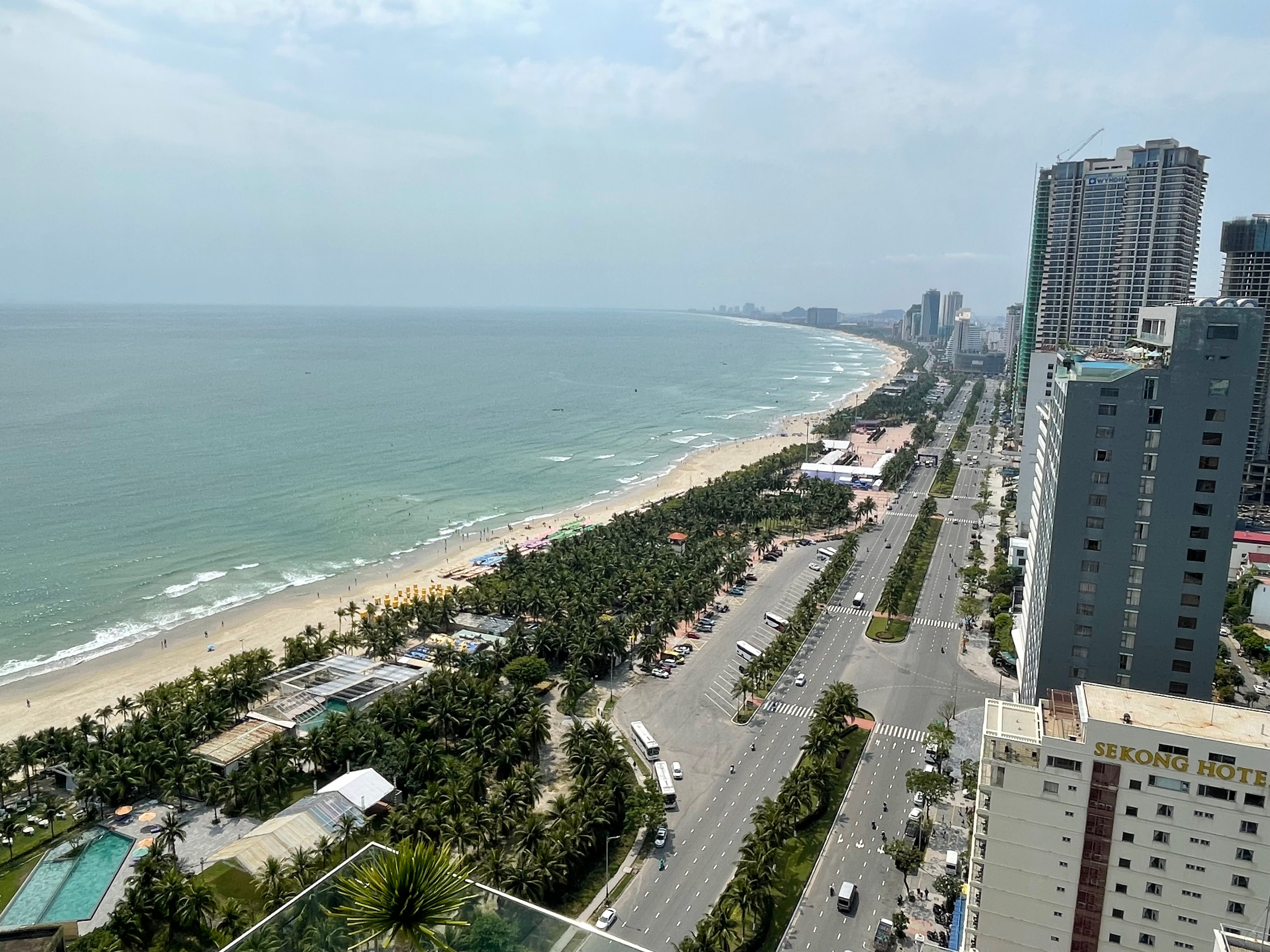
What we found was a long stretch of sandy coastline, a relaxed pace, excellent food, and enough nearby to do without moving every few days.
Da Nang International Airport has direct flights to major hubs across Southeast and East Asia: Bangkok, Singapore, Seoul, Tokyo, and more. That makes it easy to slot into a multi-city trip rather than treating it as a remote beach escape.
The airport sits within the city itself, so most beach hotels are a short drive from the gate. This is a real bonus when you’re travelling with a toddler.
Da Nang with a toddler
This was our first time in Southeast Asia with Edi, so we were curious (and a bit anxious) to see how it would be.
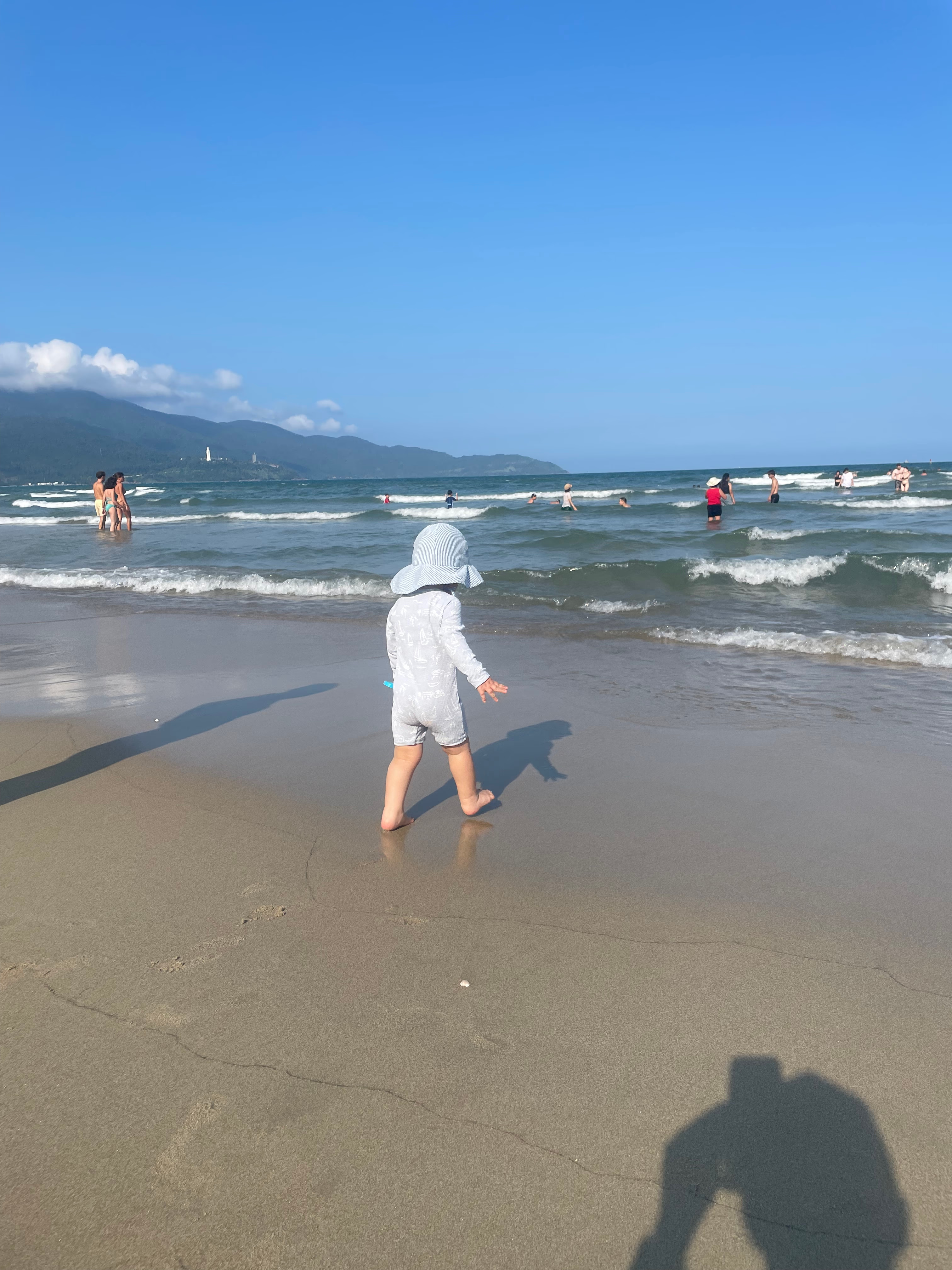
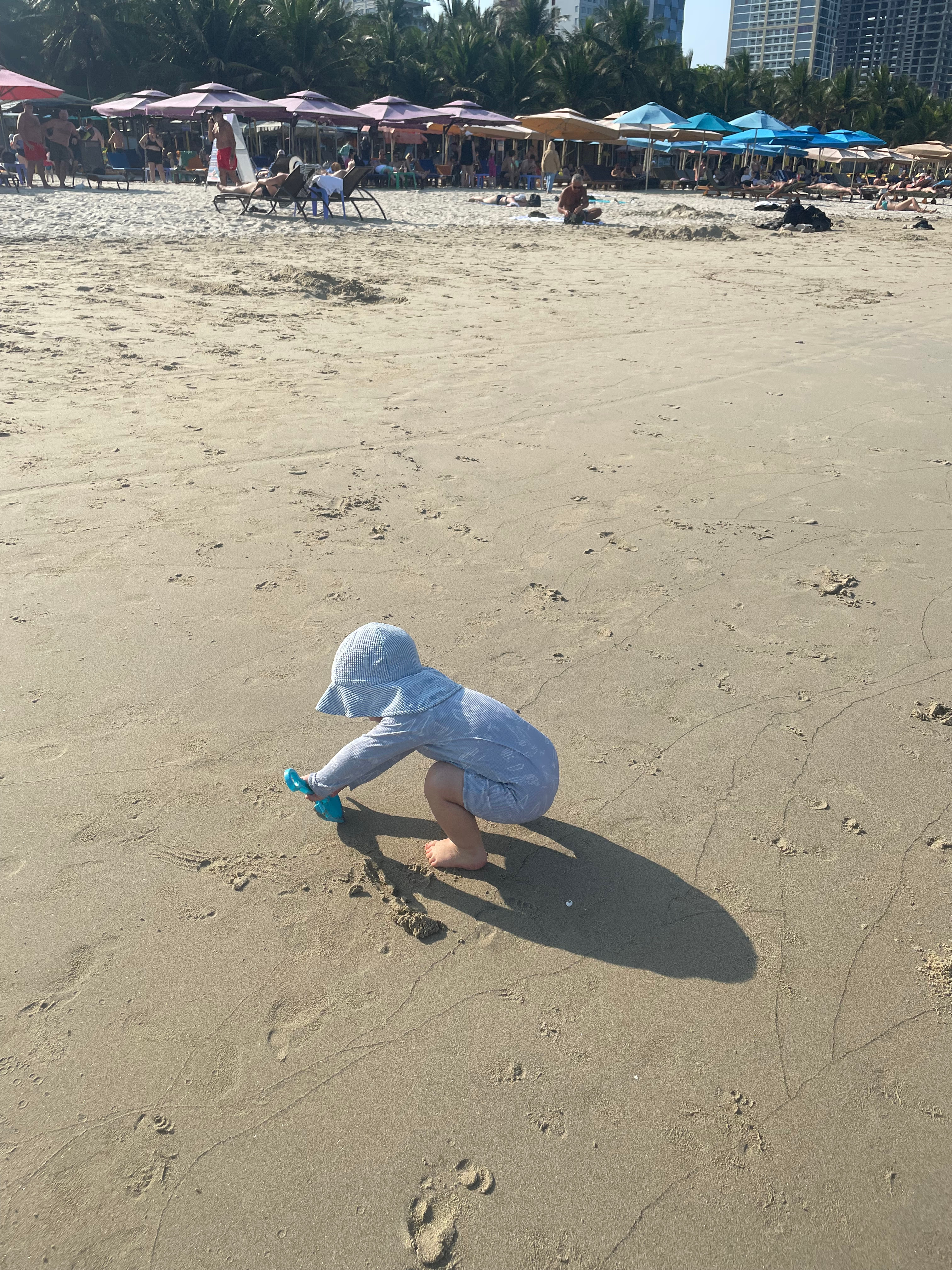
Da Nang instantly felt family-friendly in ways that aren’t always obvious from a guidebook. The beach is wide and flat, with a long shallow section that’s perfect for toddlers and kids in general.
The city has modern infrastructure and a more relaxed pace than Vietnam’s other major cities. It’s also noticeably clean by local standards. Like most of Southeast Asia, it felt very safe for families.
If you’re after something more authentic, don’t worry. This still feels like Vietnam. You don’t have to walk far from the beach to find local restaurants, street vendors, and the usual Vietnamese shops and vibes.
There are playgrounds and parks for kids, and a beautiful promenade along the Han River if you want a break from the coast.
My Khe Beach
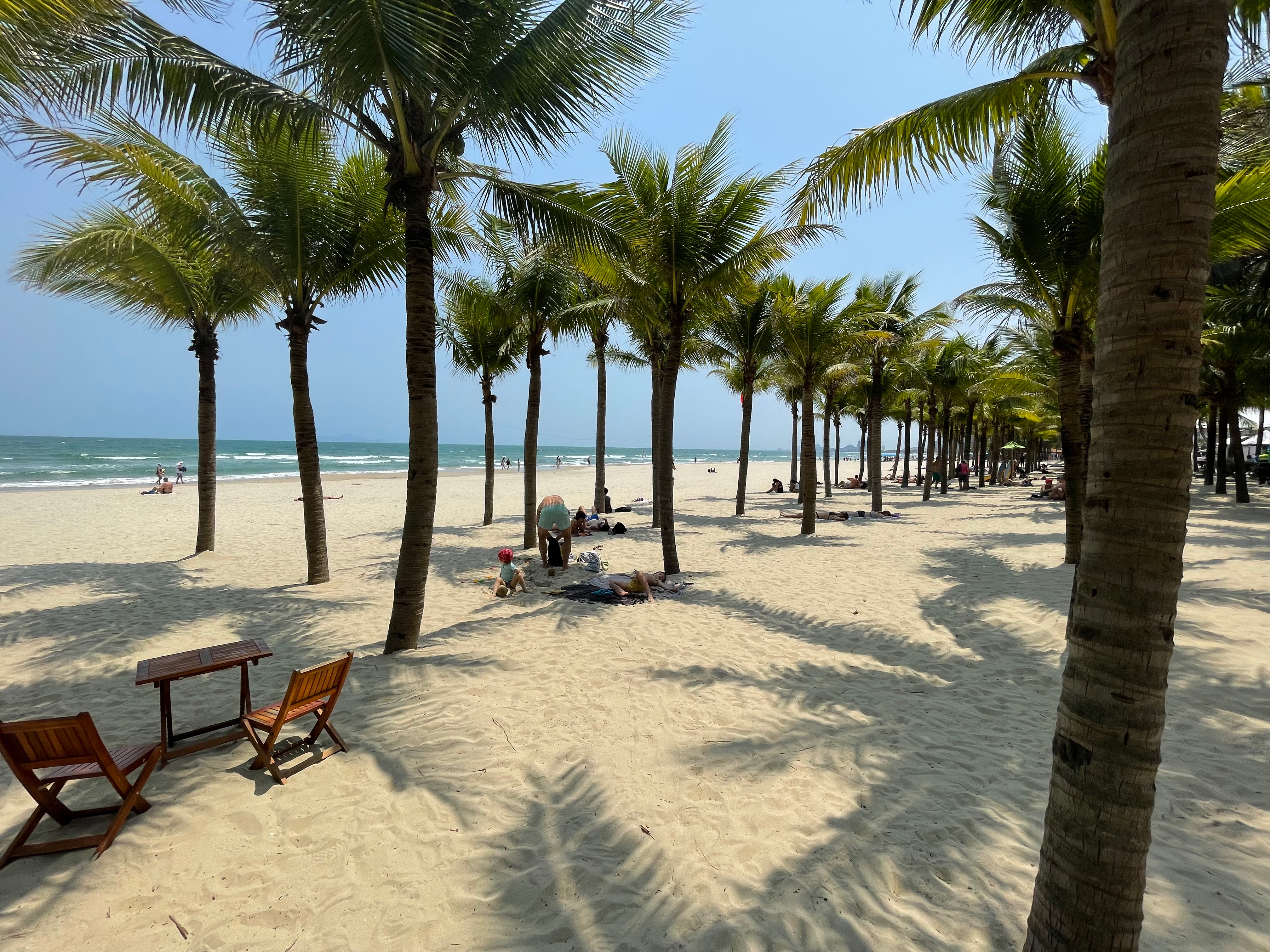
Da Nang’s My Khe Beach runs for kilometres along the eastern edge of the city. Unlike some resort islands where you’re locked into one strip of sand, here the beach is part of the city itself.
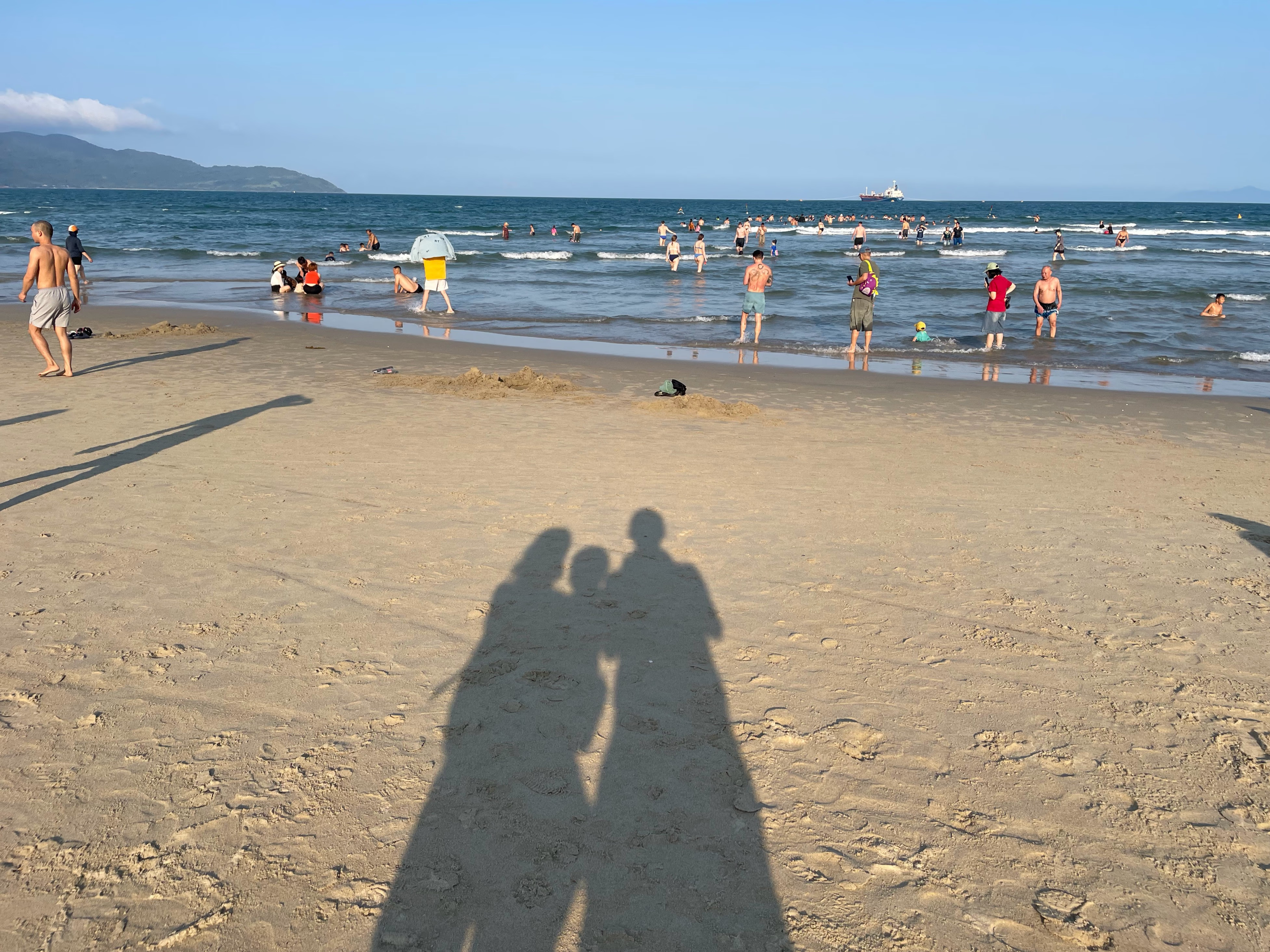
At sunrise and sunset you’ll see locals and tourists exercising, and families playing in the shallow water. Weekends bring bigger crowds, which is a sign that locals love it too.
A promenade runs parallel to the shore and is a great place to walk, run, or cycle. There are also some lively bars and restaurants along the way, especially in the evening.
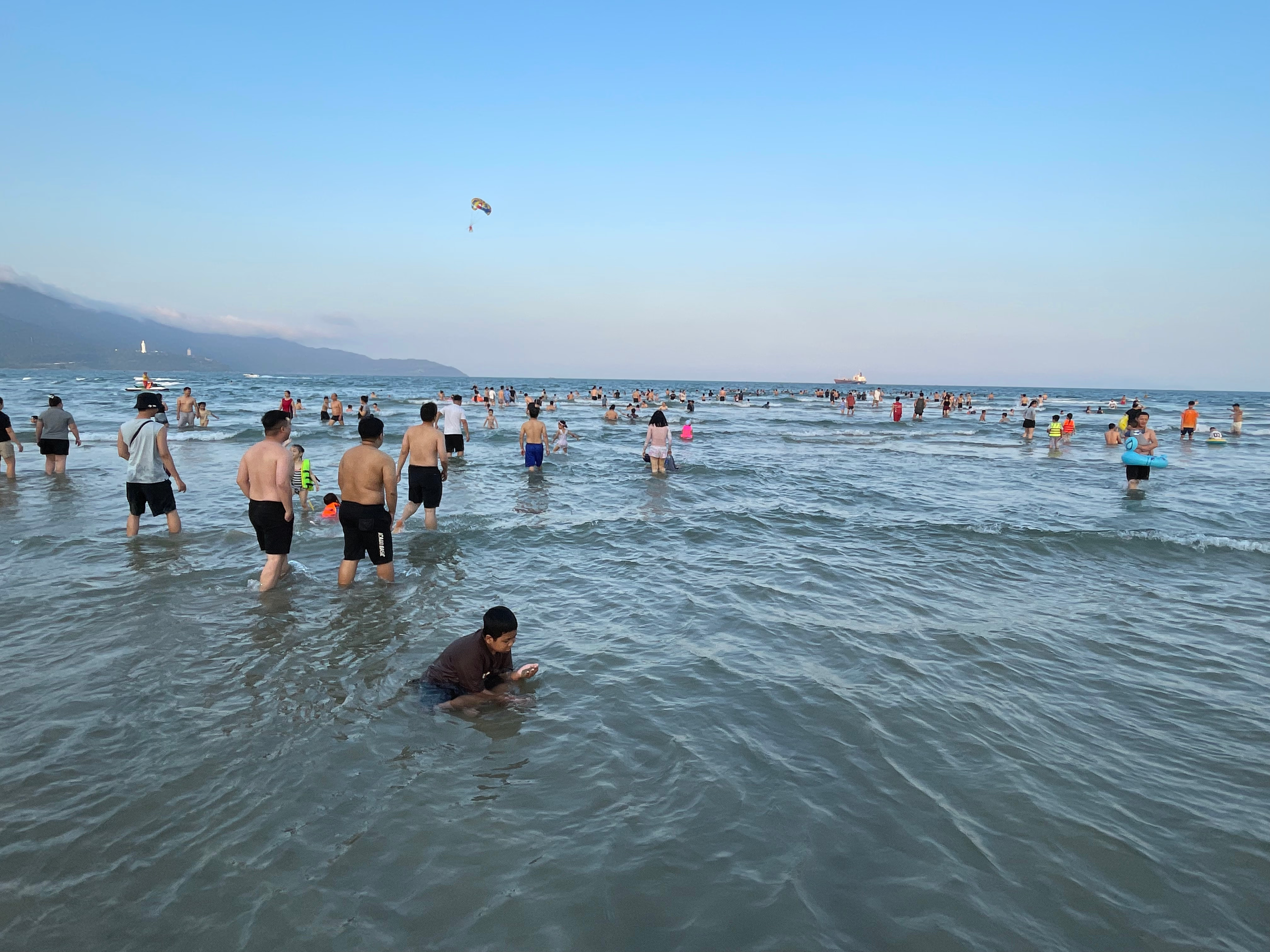
You’ll find empty stretches of sand alongside dedicated areas with umbrellas, sunbeds, and marked swimming zones. Those sections have showers, changing rooms, and toilets, plus food and drinks at reasonable prices. Even if it’s more expensive than across the street, this is still Vietnam, where prices are low for most travellers.
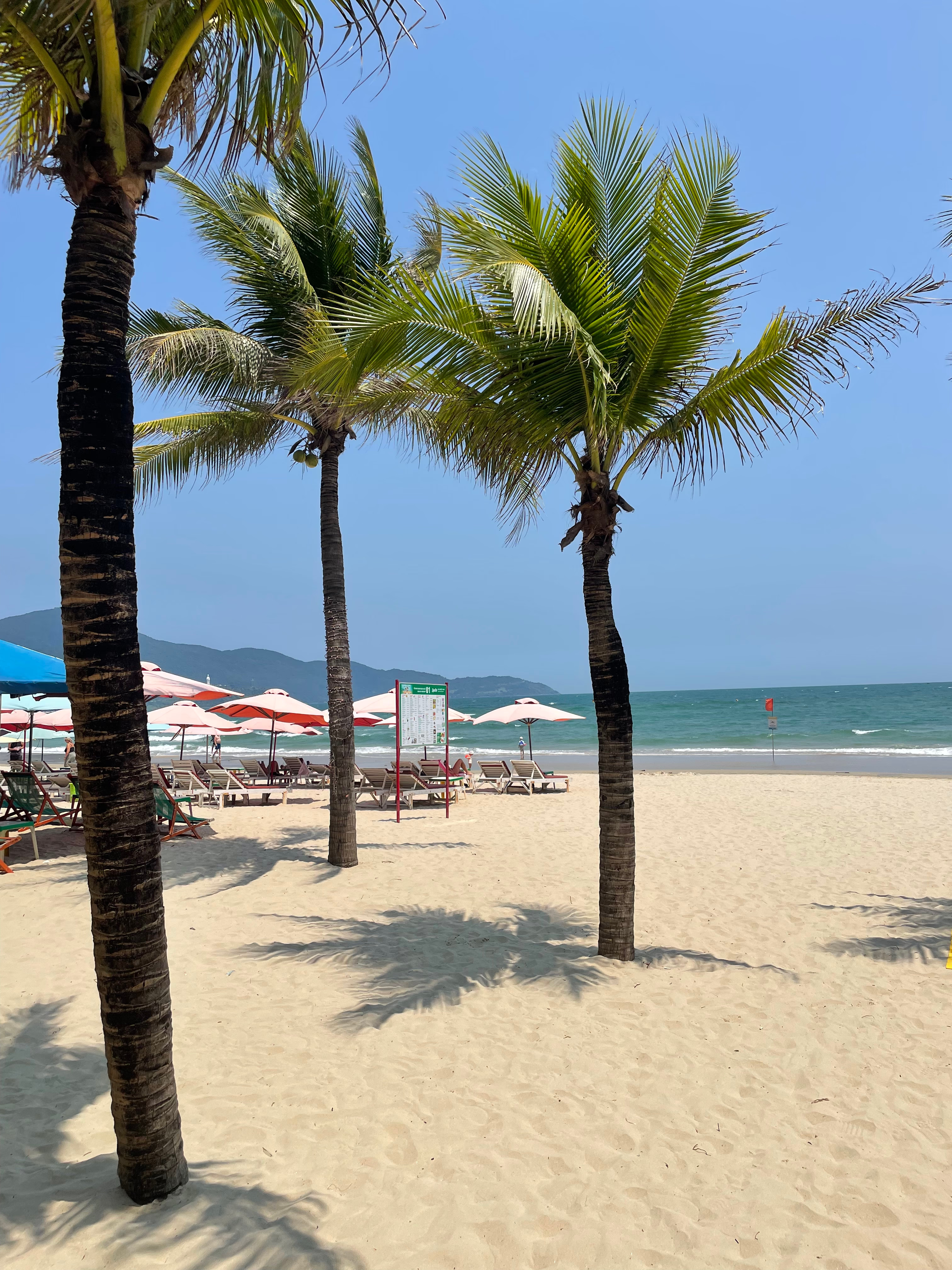
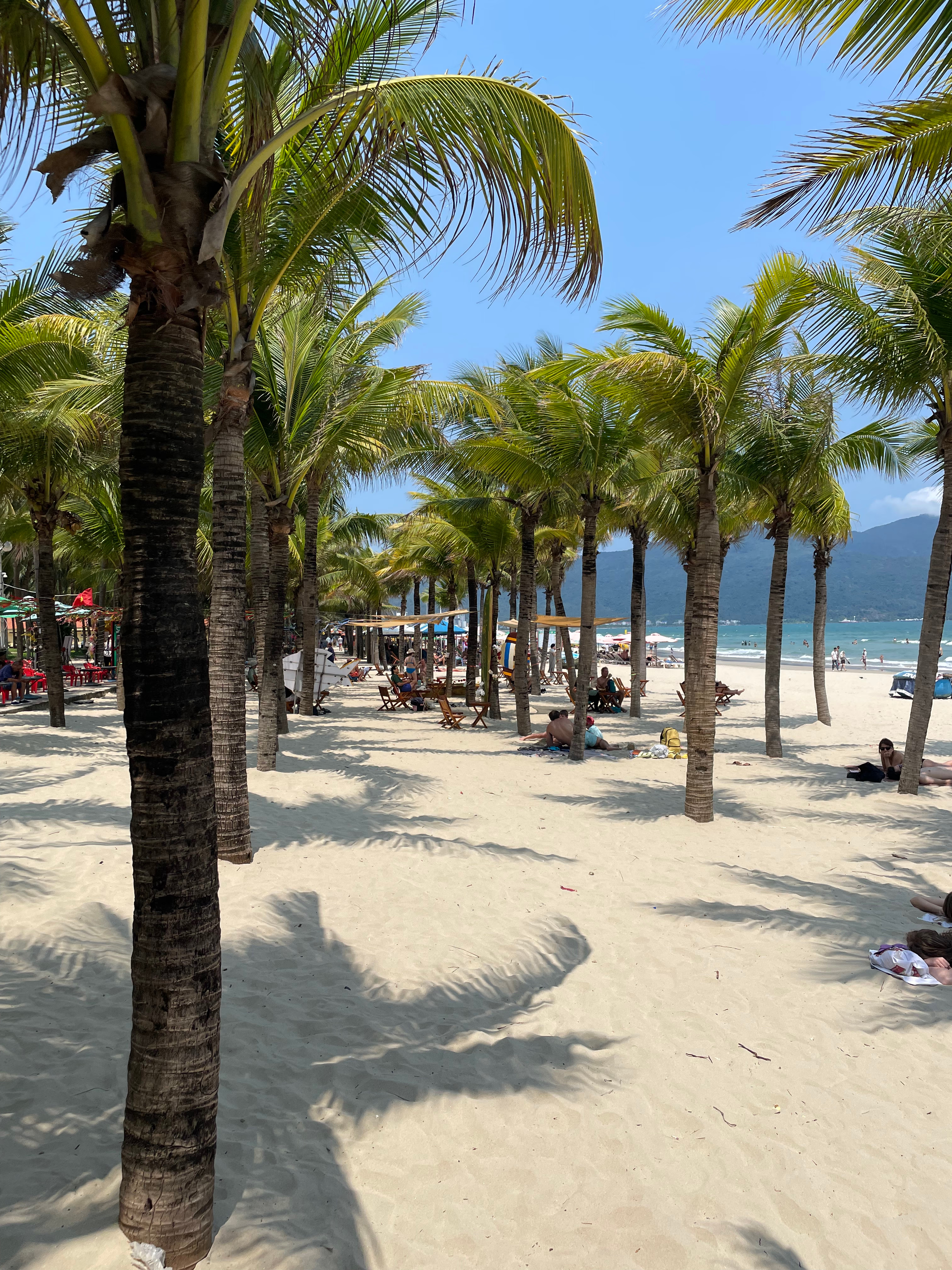
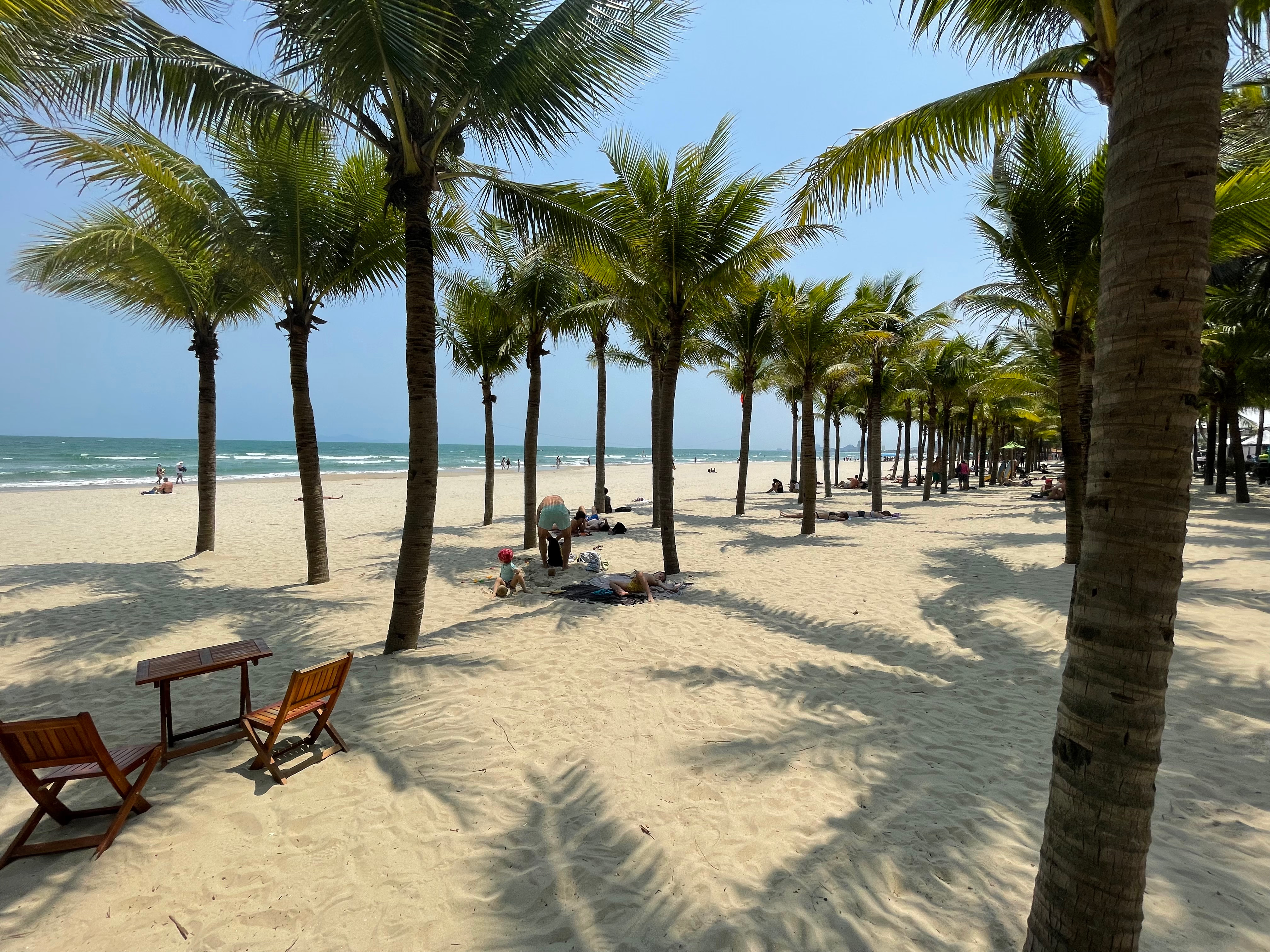
For a quieter spot, the palm trees along the shore provide natural shade during the day. And some of them have quick access to the bars and playgrounds so you don’t necessarily feel isolated from the rest of the beach.
Vietnam sits one time zone ahead of much of Southeast Asia, so the sun rises early and sets before 6 pm. Peak heat hits around noon. People are on the sand from first light, and crowds pick up again in the late afternoon when the sun is lower.
Vietnam is also the place where we started drinking coffee, back in 2018. So the smell of Vietnamese coffee brought back some nice memories from our first trip to Southeast Asia.
One of our favourite Da Nang rituals was grabbing an iced coffee from a beach vendor. Coconut coffee is as popular as the regular iced coffee, but you have to try salt coffee at least once. It is absolutely delicious and super refreshing during the hot days.
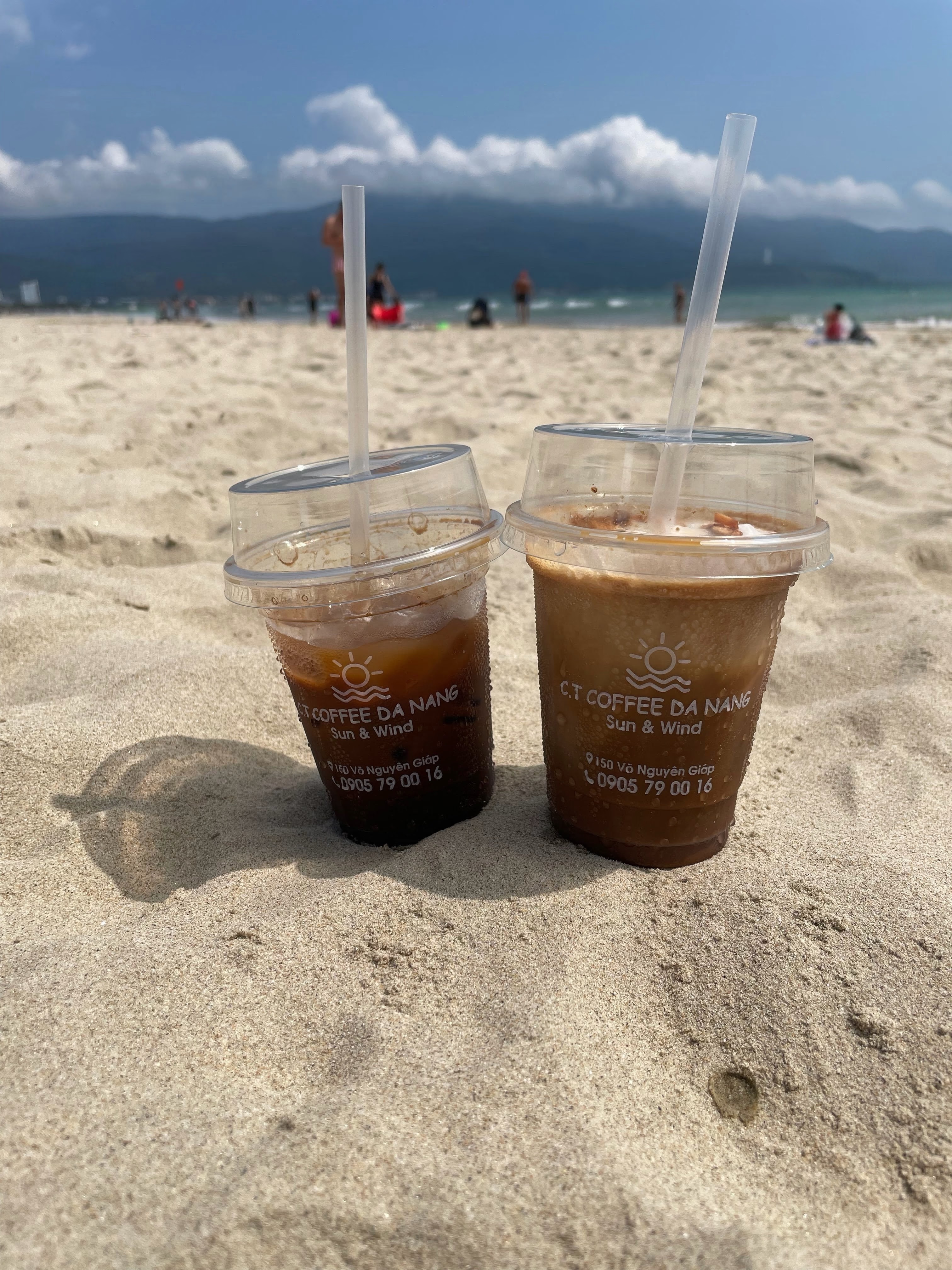
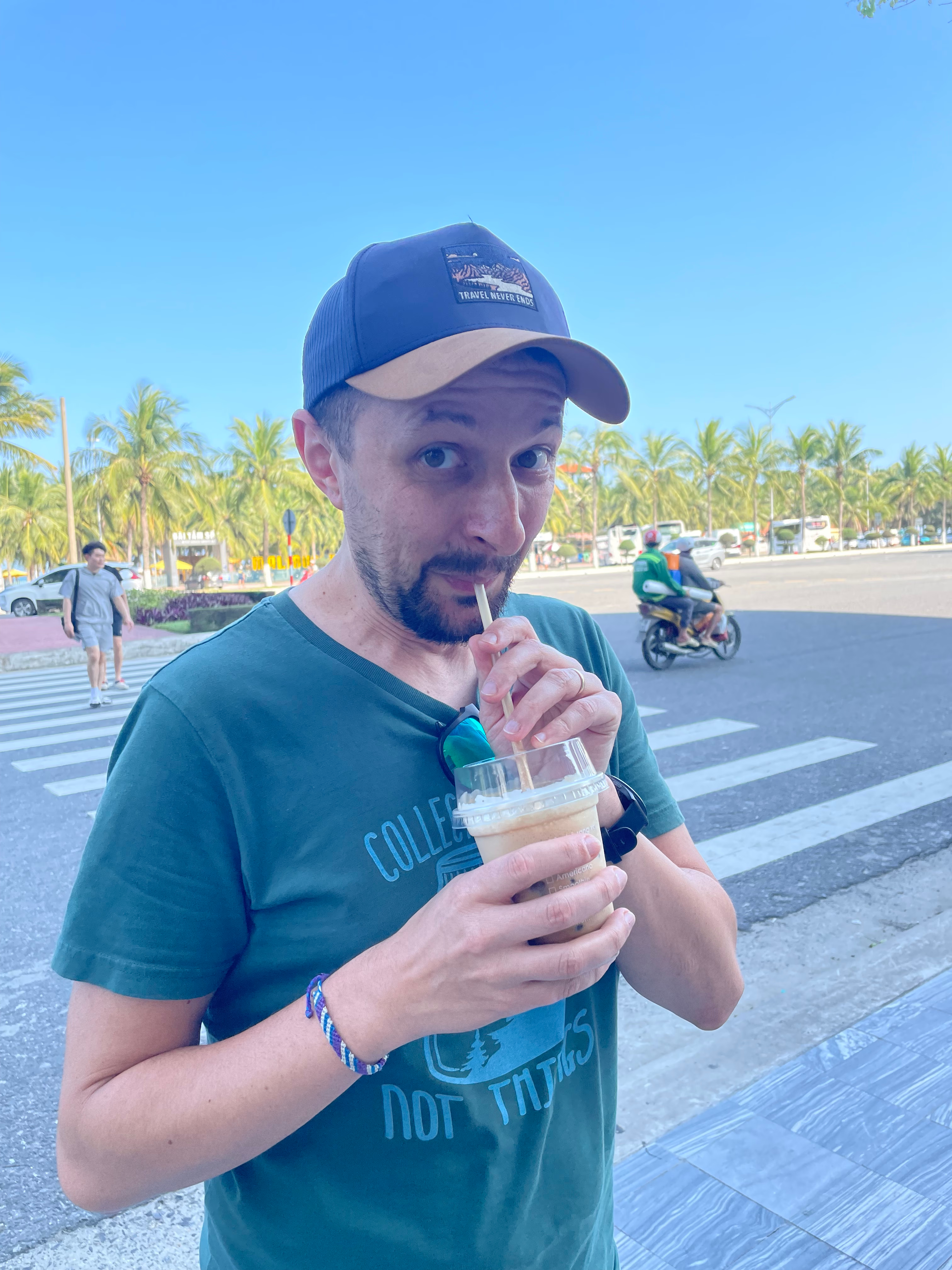
Our go-to place for coffee was C-T Coffee, right next to our hotel on the way to the beach. Dozens of similar spots dot the city, with a cup of coffee at around 30,000 VND (less than $1.50).
Where to stay
Da Nang has options for every budget. You have your Hiltons and Sheratons as well as other local hotel chains. But you will also find budget hotels and apartments. If you’re here for the beach, stay somewhere with direct beachfront access.
There’s a long boulevard running parallel to the beach and most of the big hotels are located here. The fancy hotels also have private pools, but with such an accessible beach, we don’t think it’s worth filtering by this criteria.
However, when travelling with a toddler, it is ideal to get a hotel with breakfast included, as the breakfast in Vietnam is amazing with a ton of options and huge variety. You won’t regret it!
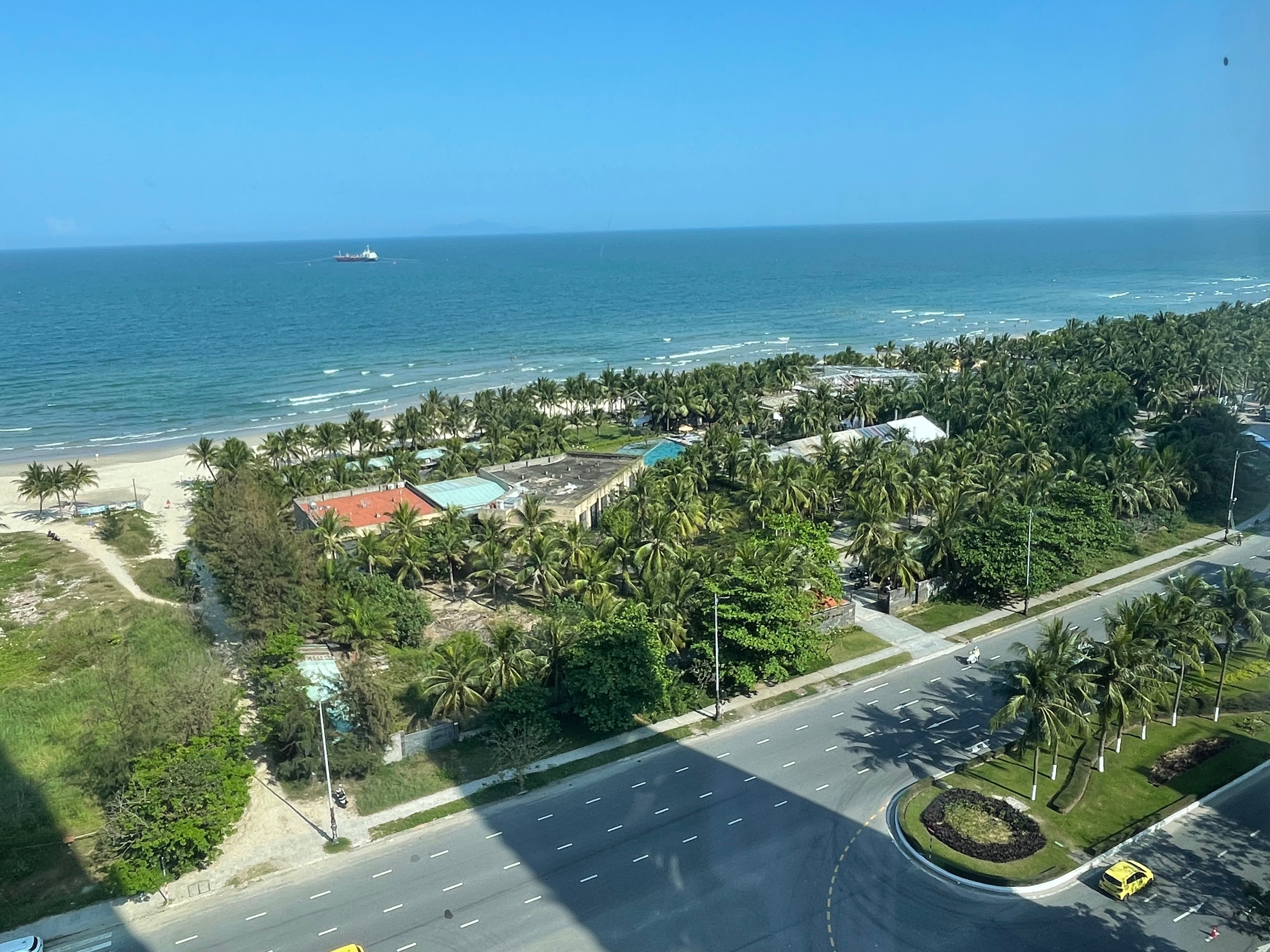
We stayed at Awaken Danang, a four-star hotel with a rooftop restaurant, pool, and fitness centre. Clean rooms, friendly staff, and good value overall.
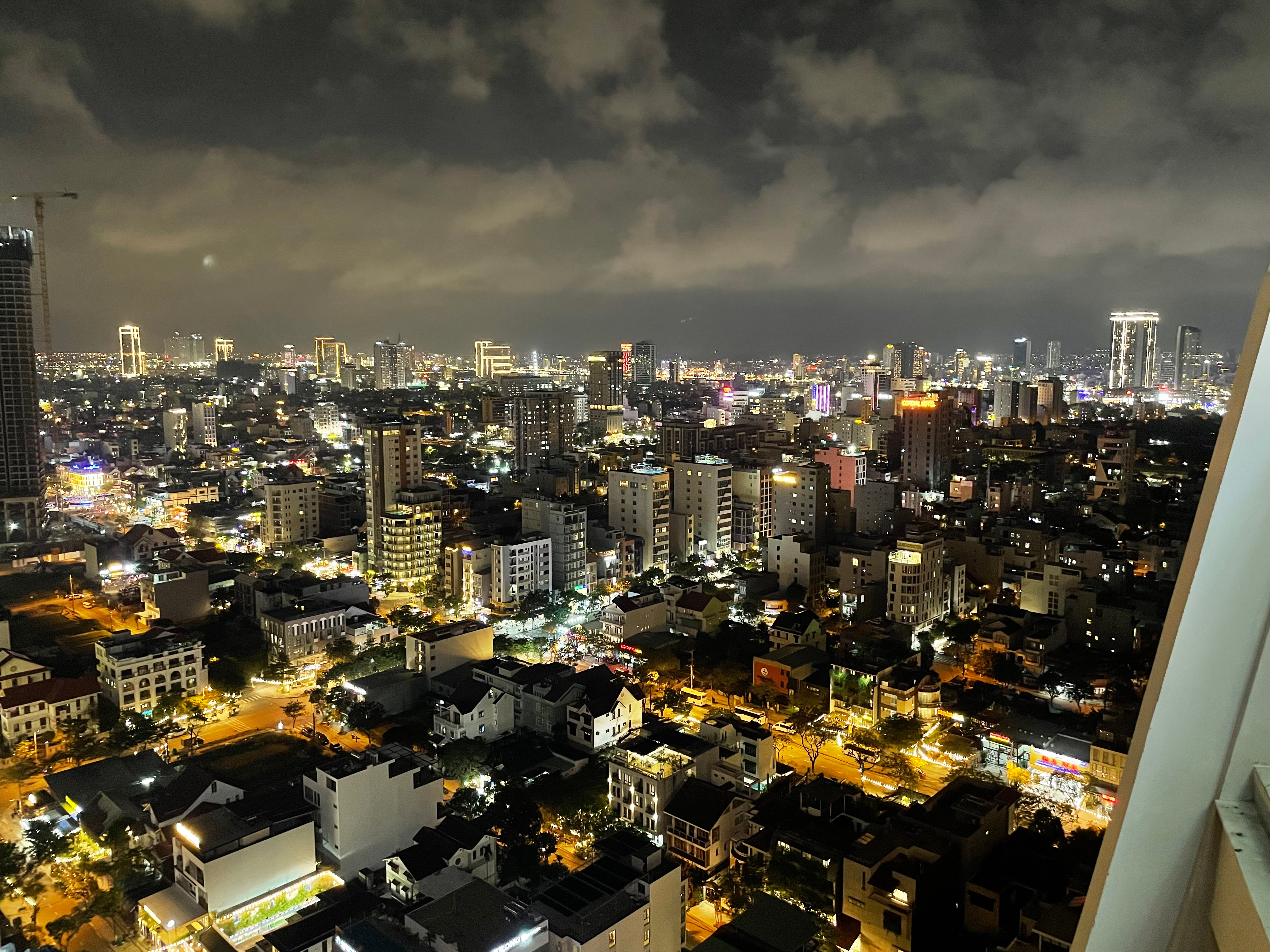
The rooftop restaurant has a great view over the city, especially at night. We only ate there once — the prices were higher than elsewhere and didn’t quite justify it. Still, the hotel ticked every box for us.
In Vietnam, services (food, drinks, spa, tours, taxis) tend to be significantly more expensive in hotels. Do your research before booking at the hotels.
Where to eat
Food is probably our favourite thing about Vietnam. In fact, Vietnamese food is probably our favourite cuisine in the world. And it’s also perfect for toddlers and kids of any age. The food is very healthy, fresh and tasty. And there are tons of specialties to try out, so you never really get bored or order the same thing every day.
Street food gets a bad reputation in Vietnam and across Southeast Asia, but we never had a problem. Use common sense, avoid anything that looks off, and you’ll be fine. We were extra careful travelling with Edi for the first time in this part of the world, yet we still bought fresh fruit and sandwiches from vendors. None of us got sick.
One of our go-to spots was Nhà Ăn, a local restaurant serving traditional Vietnamese food within walking distance of our hotel and the beach — perfect at any time of day.
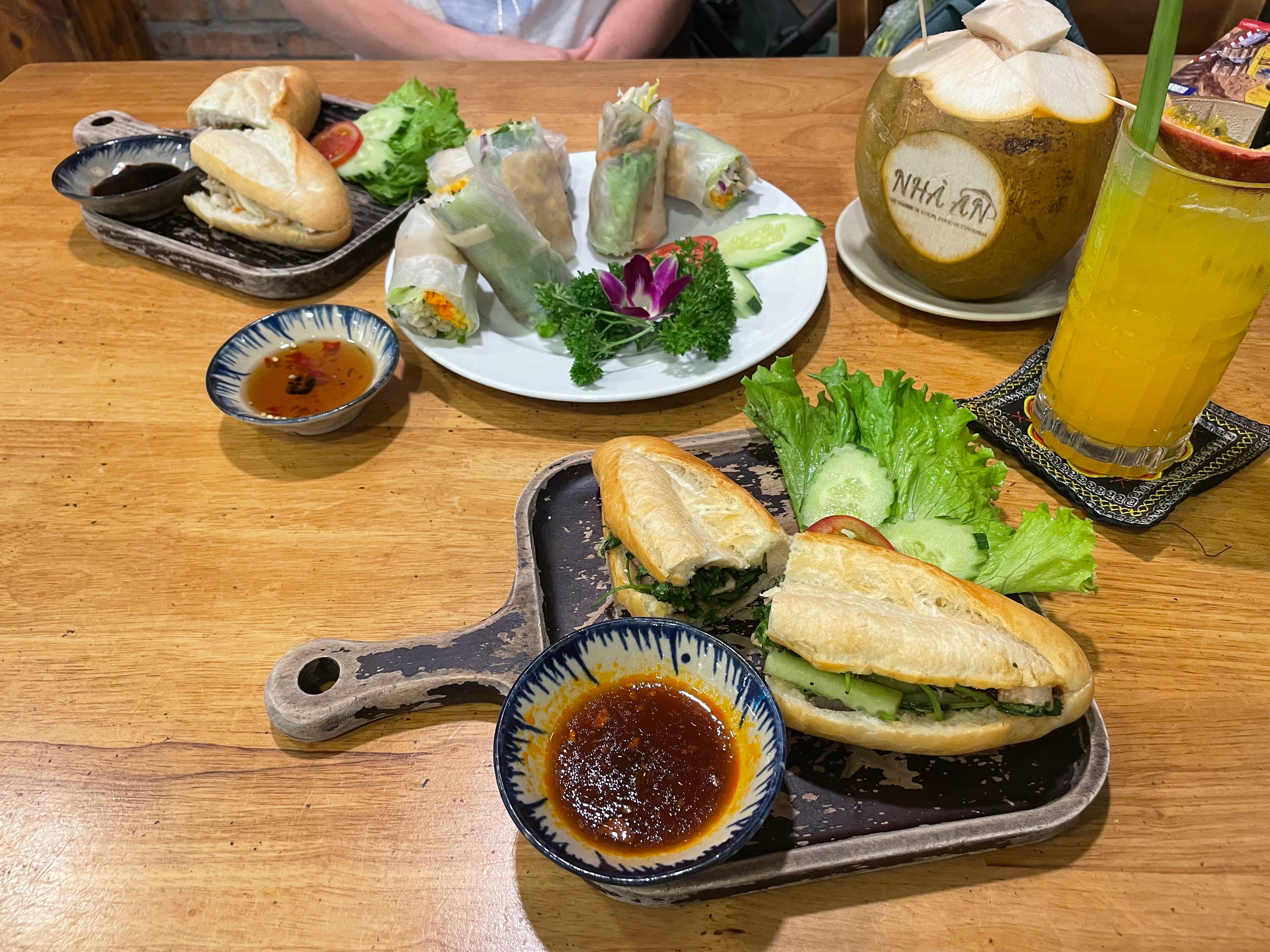
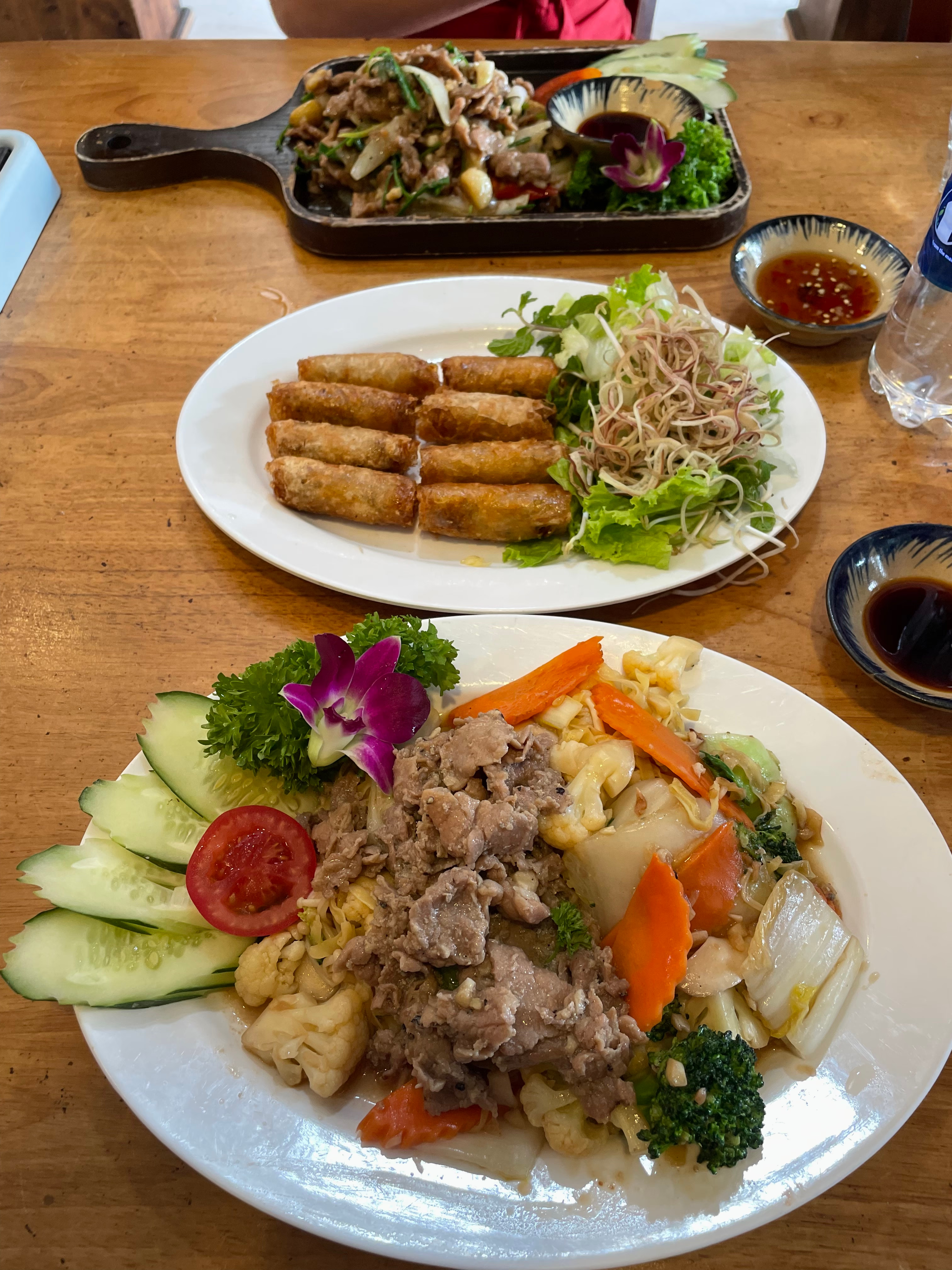
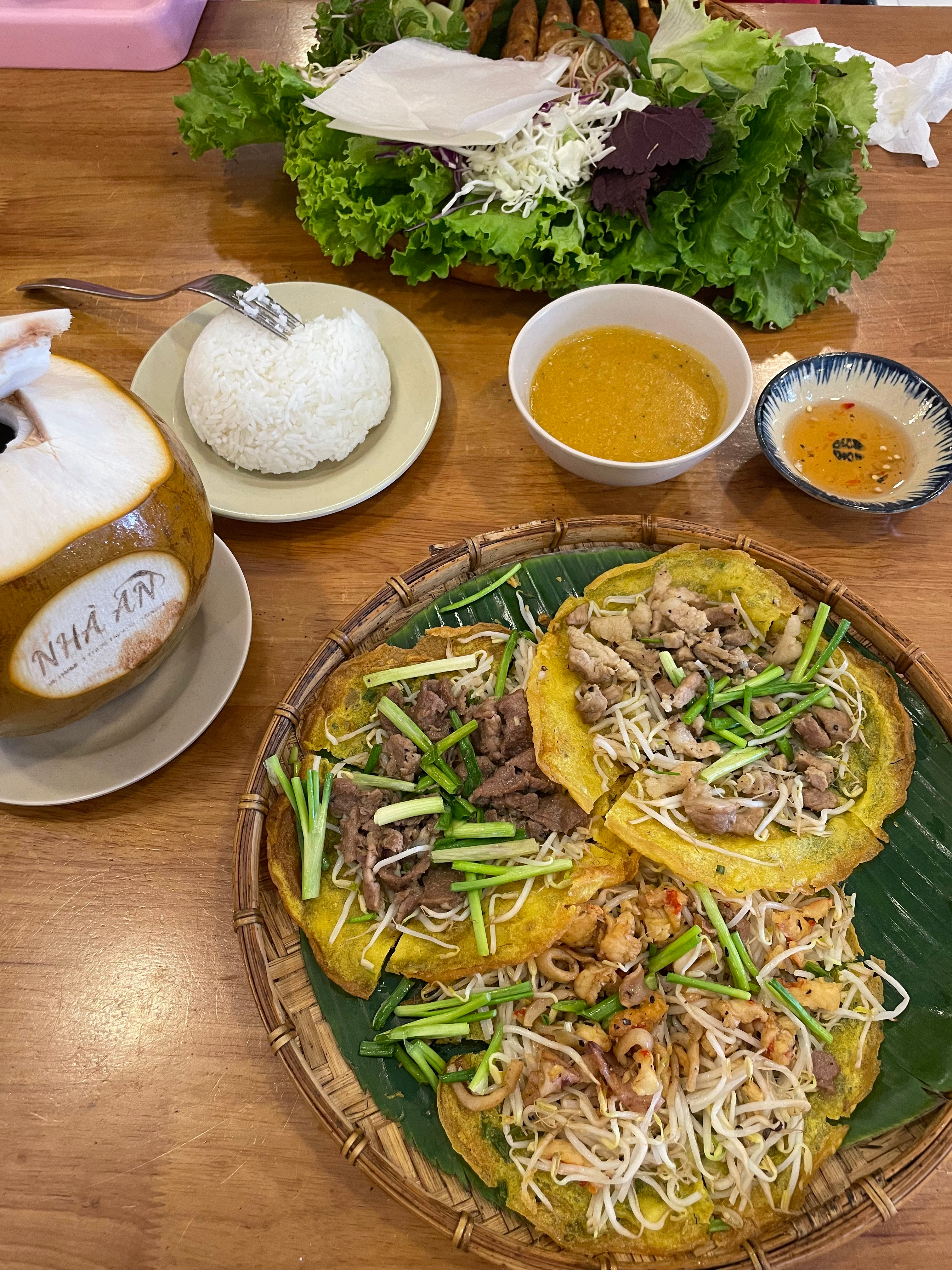
Don’t miss the spring rolls, the stir-fry dishes (meat or vegetarian), and bánh xèo — a crispy Da Nang crepe filled with herbs and served with dipping sauces. Order a fresh coconut water on the side.
For something lighter, street vendors sell bánh mì sandwiches — pork, chicken, beef, and vegetables in a French-style baguette, a legacy of Vietnam’s colonial past.
Fresh-cut fruit is everywhere, sometimes from the same vendors as the sandwiches, sometimes from dedicated stalls. The mangoes are exceptional — you’ll struggle to enjoy a supermarket mango back home. Jackfruit, papaya, durian, and other tropical fruits are usually on offer too.
Around Da Nang
Da Nang is a great base for exploring central Vietnam. Hoi An is the most famous day trip, but there are plenty of other options.
For getting around town or hiring a driver for longer trips, use Grab — Southeast Asia’s answer to Uber or Bolt. It’s convenient, safe, and cheaper than hotel-arranged private drivers.
Hoi An
Hoi An is one of Vietnam’s most visited cities, and for good reason. The UNESCO-listed old town is photogenic — wooden houses, lantern-lit streets, and a riverside that comes alive in the evening. It’s also a good place to shop for souvenirs and eat well.
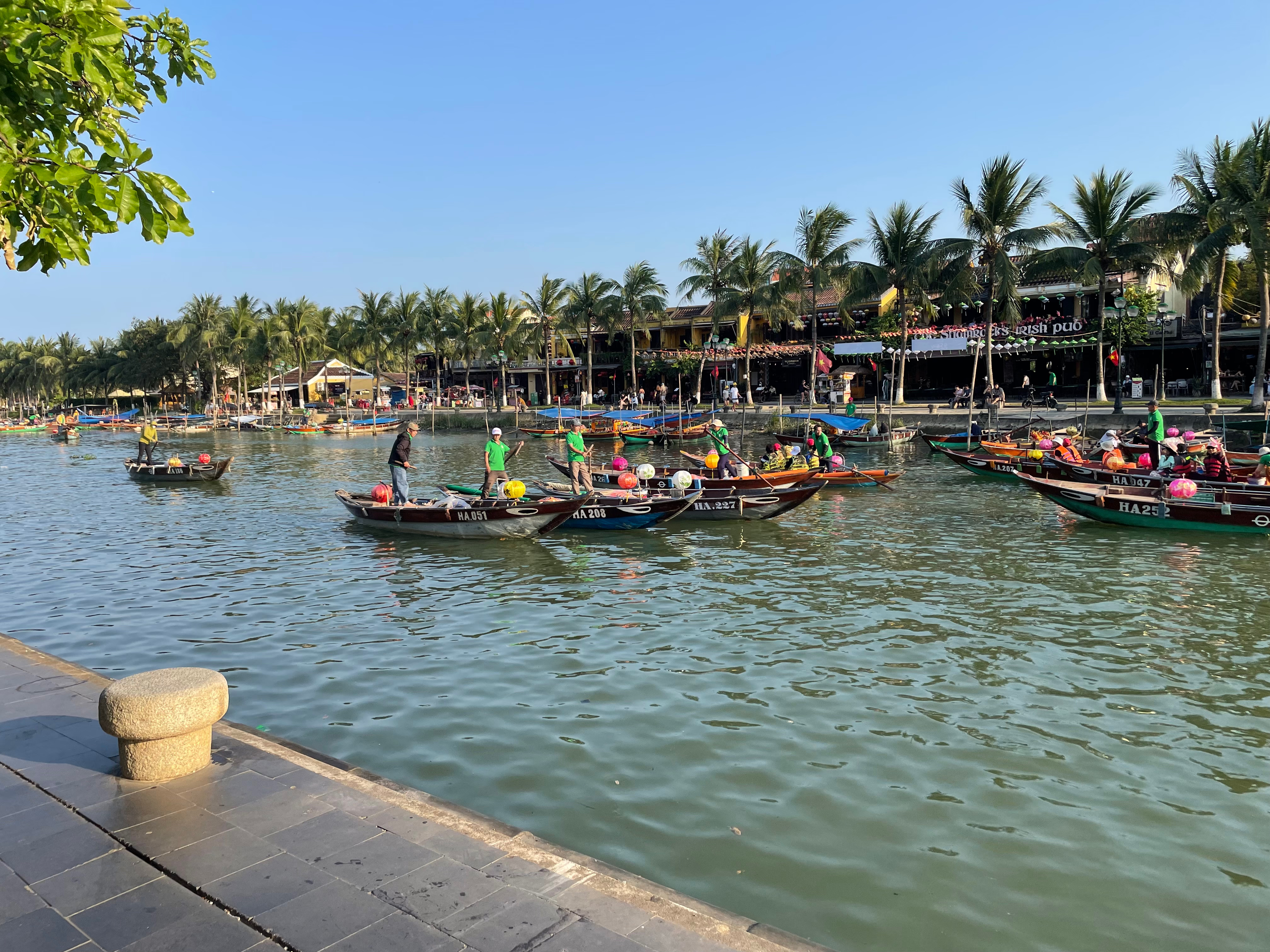
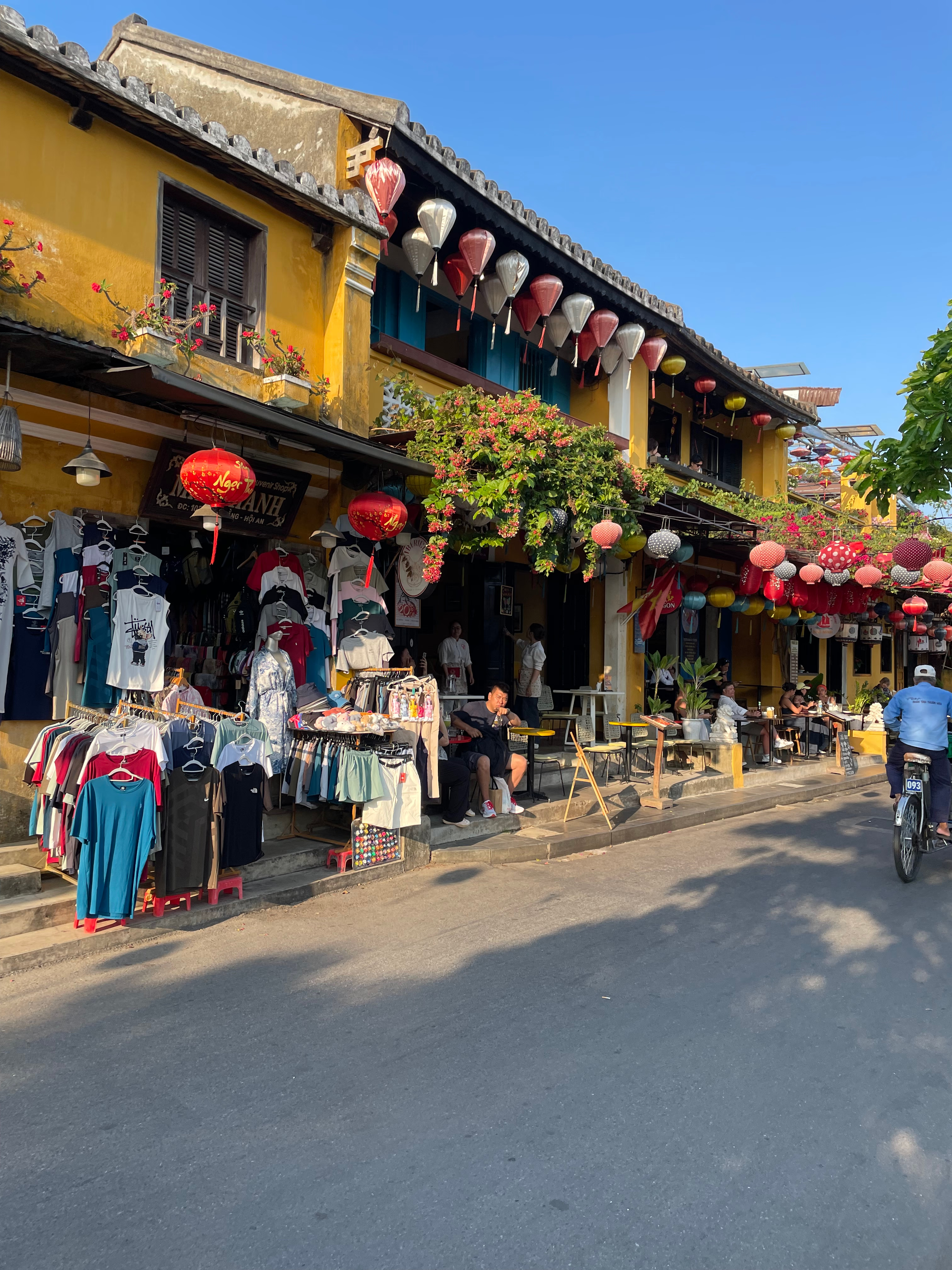
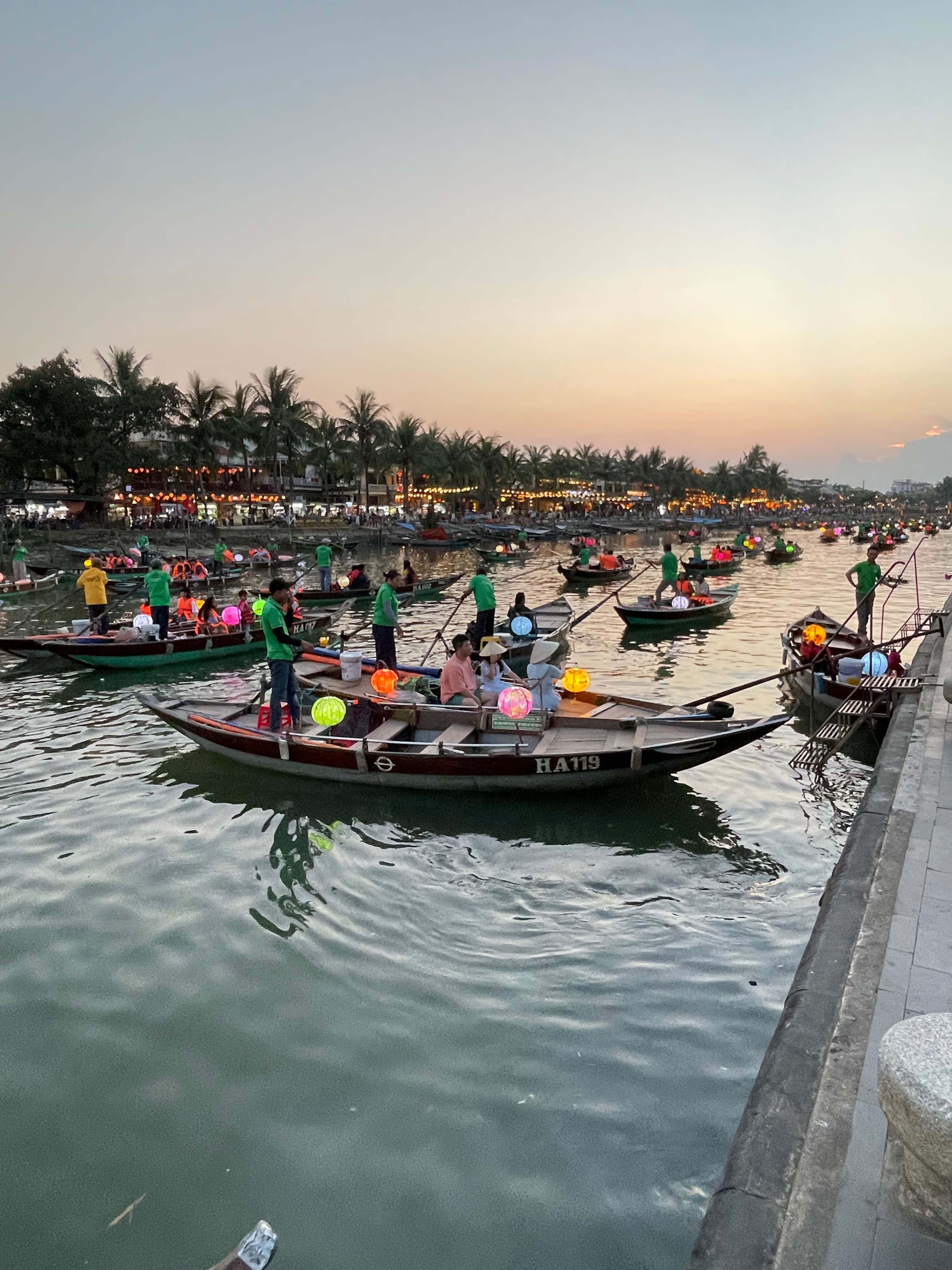
We spent half a day there — enough to get a feel for the city and join a free walking tour. We did the 2.5-hour tour with Momo Travel; our guide was knowledgeable and full of stories.
The main downside is the crowds on the narrow streets. Visit early in the morning or late in the evening if that’s not your thing. Peak crowds arrive in the early evening, when the lanterns light up.
My Son
Further inland, My Son is a cluster of Hindu temple ruins built by the Cham civilisation between the 4th and 13th centuries. Think of it as Vietnam’s smaller answer to Angkor Wat. Allow about two hours for the whole site. Two main clusters of buildings are worth most of your time, connected by walking paths.
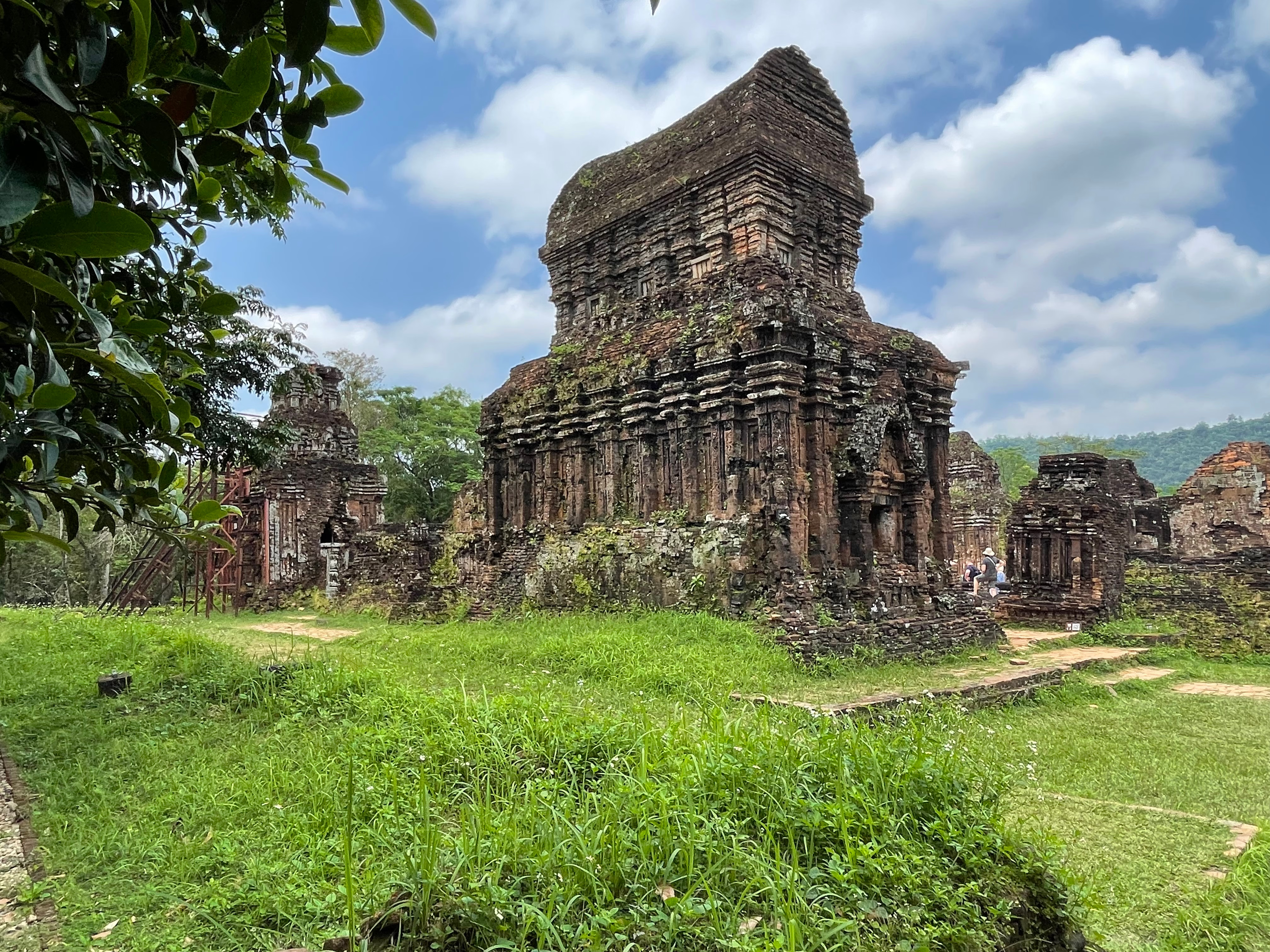
A free shuttle runs from the entrance to the first set of ruins and back. We visited in the morning when it was quiet; more people arrived as we left. Despite being close to Da Nang on the map, the drive takes a while because of traffic and road conditions. You can combine My Son with Hoi An, as we did, but plan for a full day.
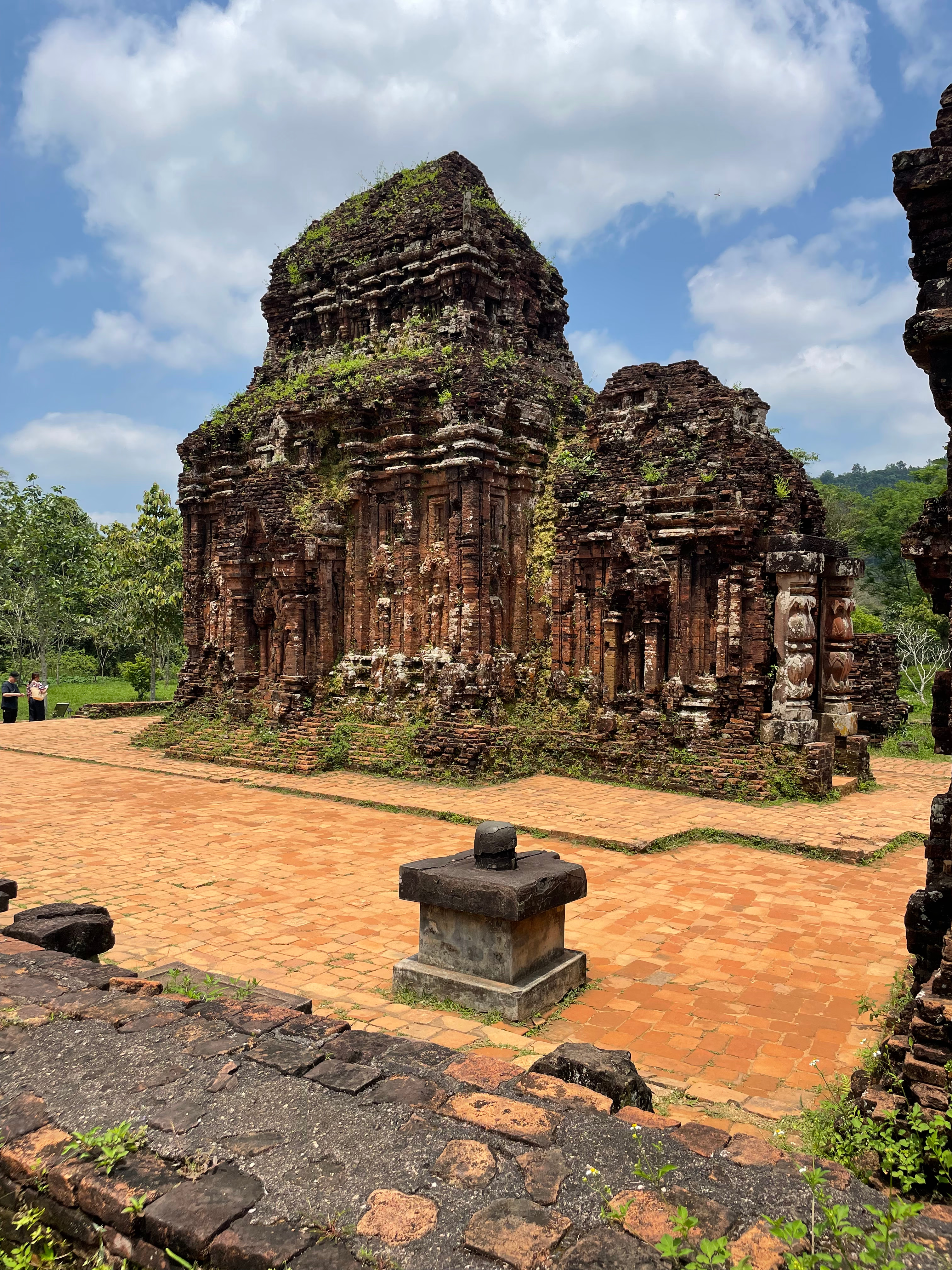
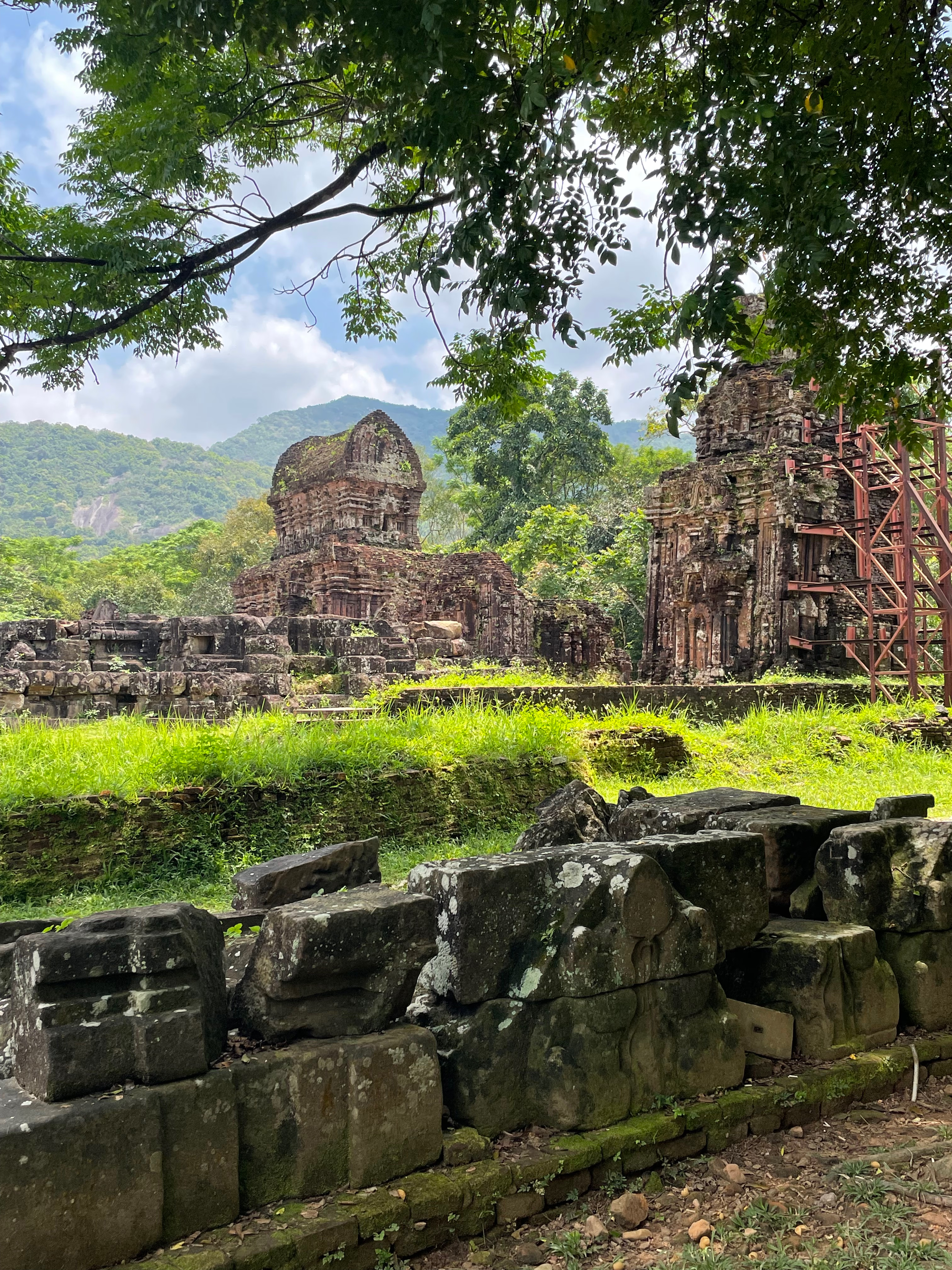
Angkor Wat is one of the places that stuck with us since our first visit to Southeast Asia in 2018, so we were curious to see something similar. If ancient ruins and cultures aren’t your thing, though, My Son might not be so interesting.
Other options for day trips nearby include the imperial city of Hue and the popular Ba Na Hills, but we kept our schedule light and skipped them this time.
Is Da Nang worth it?
Without a doubt. Da Nang hit a sweet spot for us: enough beach to recharge, enough city to enjoy local life, and close enough to other sights to allow us to explore the region with day trips.
If you’re hopping between Southeast Asian cities and want a few days by the sea without committing to a remote island, Da Nang is hard to beat. You get an authentic slice of Vietnam without the huge crowds of tourists, yet you’re still one flight from the region’s major hubs.
Travelling with a toddler and want to avoid long transfers and airport downtime while being able to relax by the beach for a few days? Da Nang is about as good as it gets.